Text and photos by Sharonne Cohen, © 2026
Before the 46th Edition of the Festival International de Jazz de Montréal even begins, I already know I’m going to miss some extraordinary music. That’s simply the reality of covering the world’s largest jazz festival. With more than 350 performances packed into 10 days, every carefully chosen concert means others must be left out. After sixteen years covering the FIJM, my festival experience begins long before opening night, with the program spread out in front of me and a series of impossible decisions to be made.
There were performances by artists ranging from Charles Lloyd, who played with his magical quintet at the acoustically dreamy Maison symphonique, to Kamasi Washington (free, on the largest of the outdoor stages),
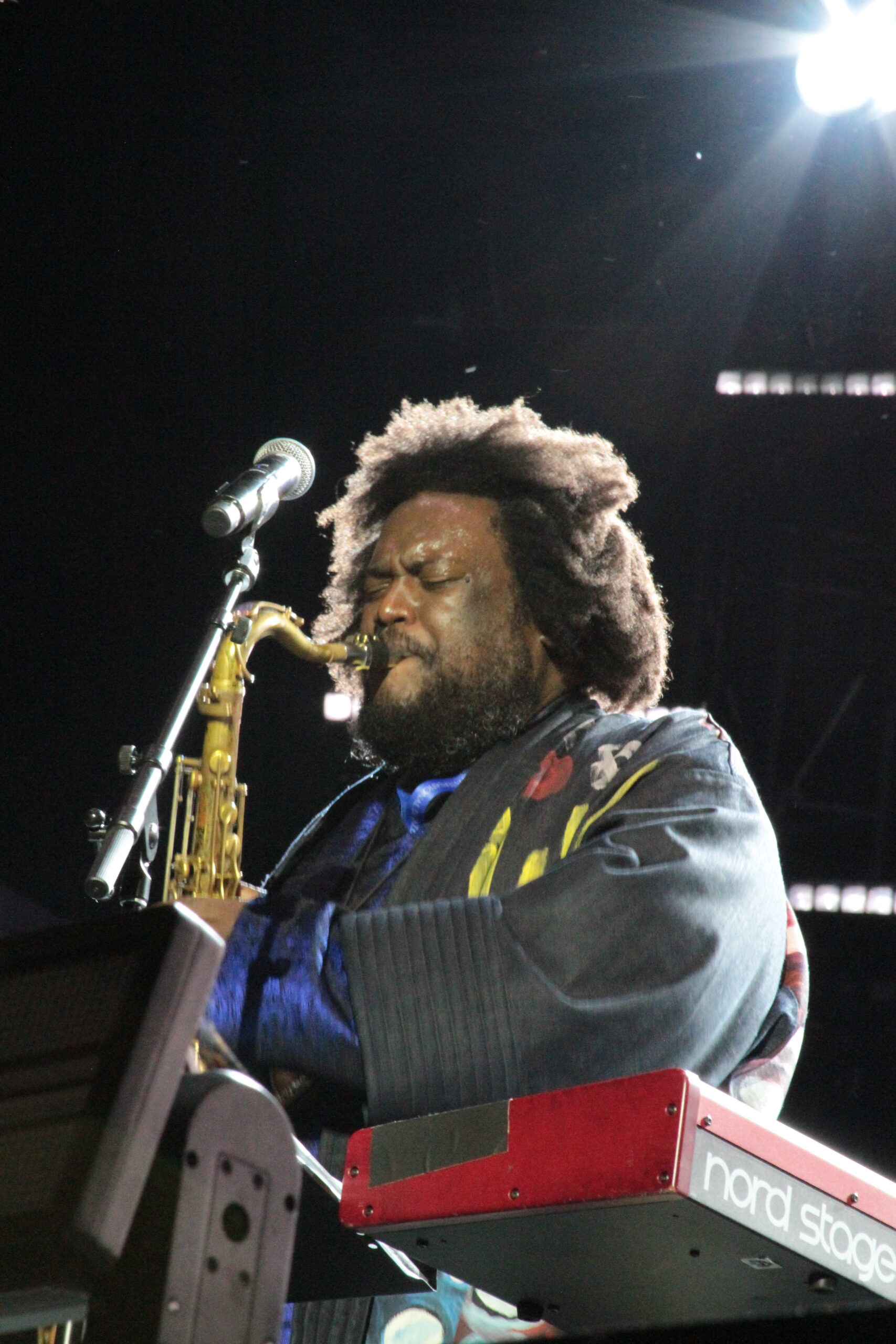
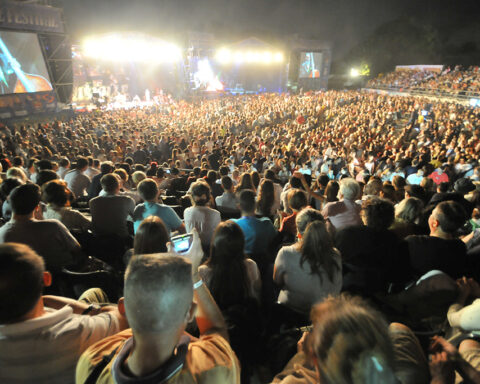
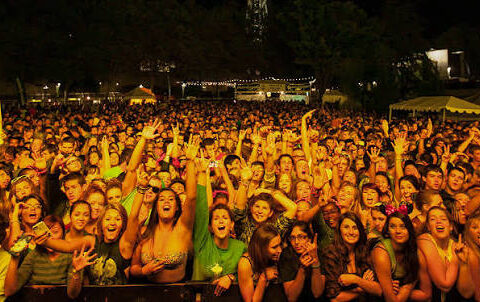
from Cécile McLorin Salvant to MonoNeon, Craig Taborn to Diana Krall. Remarkably, roughly two-thirds (over 200) of these concerts take place on outdoor stages and are free to the public. This has to be my favorite part of the festival: the amount of marvelous music that people can enjoy for free. One stage focuses on artists from around the world, like the soul-stirring Thanda Choir from Cape Town, enchanting Puerto Rican cuatro player and singer Fabiola Méndez, rock/desert-blues hypnotizers Etran de l’Aïr from Niger, and Peruvian Cumbia legends Los Mirlos. Another stage leans more heavily into blues, where I discovered up-and-coming Louisiana guitarist-vocalist D.K. Harrell, and caught sizzling sets by Cameroonian-Canadian guitarist-vocalist-raconteuse Cecile Doo-Kingue and Ottawa-born, Austin-based guitarist and singer-songwriter Sue Foley.
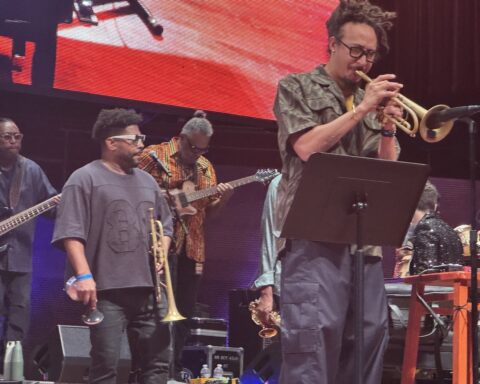
A couple of the outdoor series – Apéro Jazz and Jazz Time – have become standouts thanks to eclectic programming by Modibo Keita, a Montreal-based trombone player and producer of Malian descent, conscious of the adventurous nature of Montreal audiences. I got to check out a compelling set by NYC-based drummer, composer and vocalist Curtis Nowosad of Winnipeg, Manitoba, with his Noisy World project; intriguing Canadian bassist-composer Aretha Tillotson, whose recent Kinda Out West earned her a 2026 Juno nomination for Jazz Album of the Year; trumpeter Avishai Cohen and his stellar two-drumkit unit, playing a luminous instrumental cover of Massive Attack’s “Teardrop” and other material from his recent Big Vicious (ECM); the exploratory corto.alto project led by Scottish multi-instrumentalist, producer, and composer Liam Shortall; imaginative, boundary-pushing drummer Kassa Overall with music from Cream, including an acoustic reimagining of Biggie Smalls’ “Big Poppa”, and flautist Elena Pinderhughes, supported by a phenomenal band featuring her brother Samora on piano, drummer Justin Tyson and bassist Ben Williams, who spent quite some time in Montreal, playing with Chief Adjuah and then again on closing night with Aja Monet.
There were also two excellent free series at Le Studio, an indoor venue residing inside the festival’s headquarters, well worth looking into. That’s where I caught French-born pianist Jean-Michel Pilc improvise with a tight, inspired trio, auspiciously arriving just before Dave Binney sat in; GENA — the experimental duo of Karriem Riggins and vocalist Liv.e; and FONVILLE x FRIBUSH, the fresh new collaboration of drummer Corey Fonville (Butcher Brown) and organist Sam Fribush.
My least favorite part of the festival is the persistent feeling that something wonderful is happening somewhere else. Several performances are always running simultaneously; on day one, for example, I really wanted to hear New Zealand-born trumpeter Lex French, one of Montreal’s leading voices, play a Miles Davis tribute. But I was also eager to experience Indian bass phenom Mohini Dey,
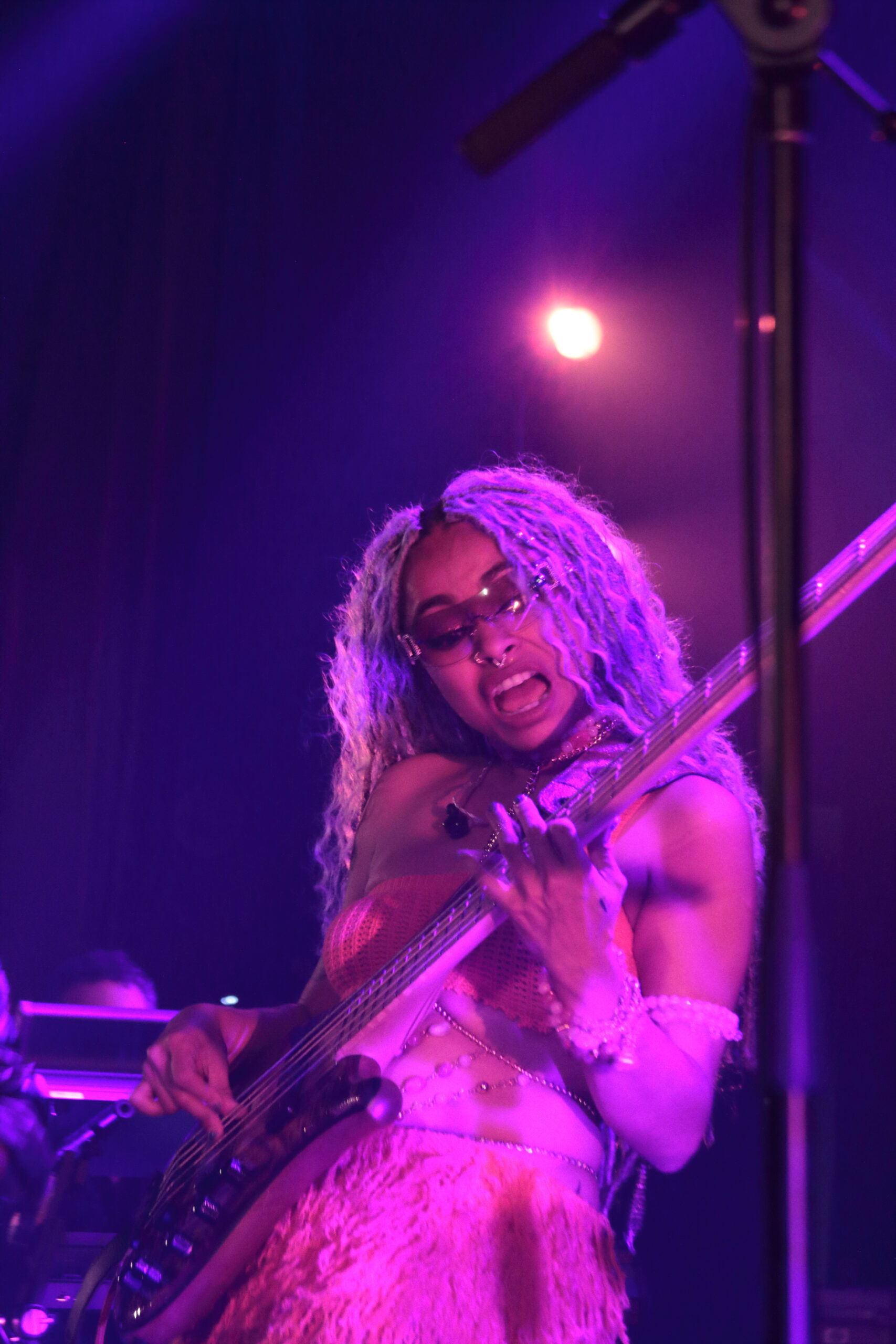
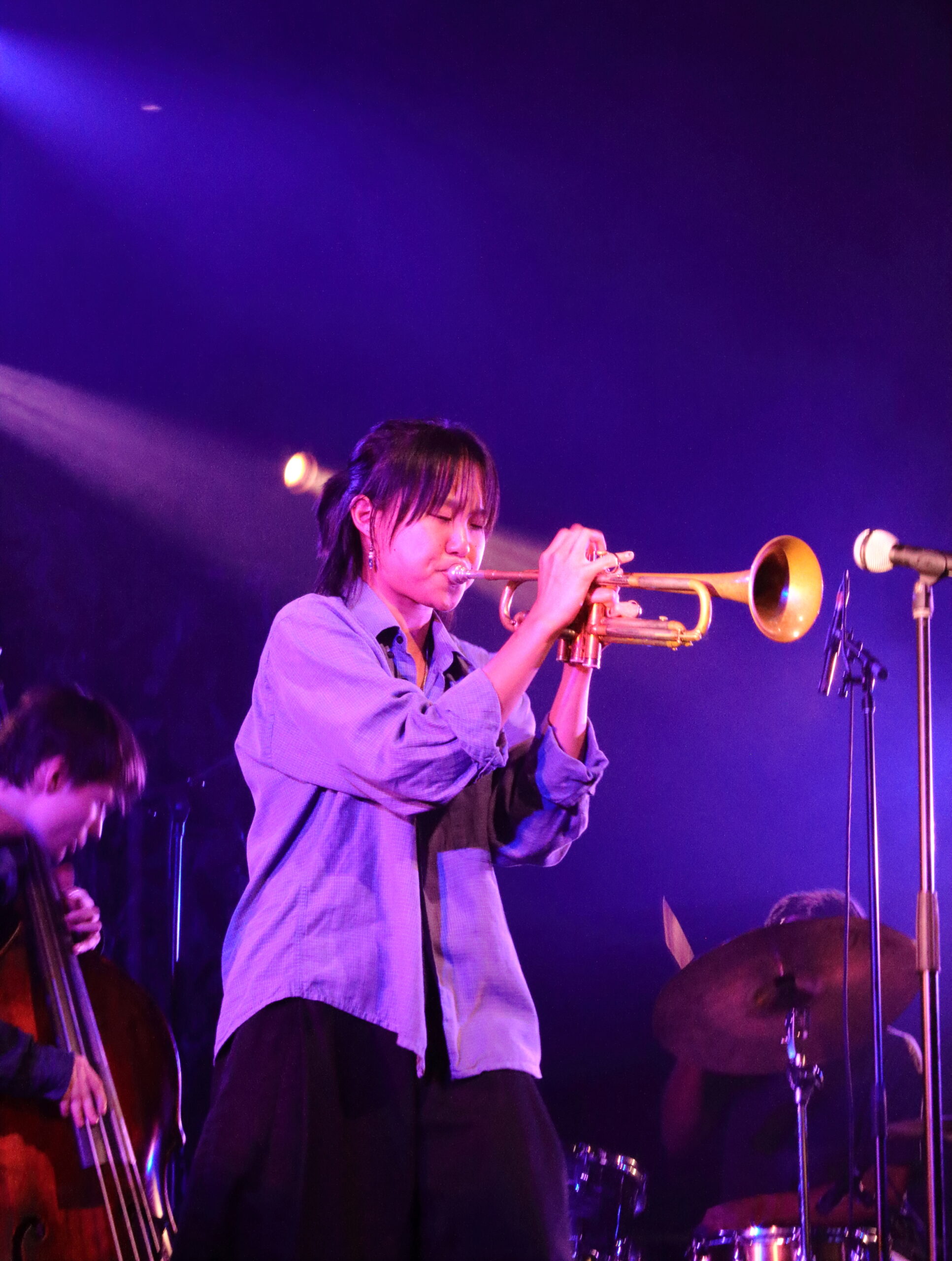
rising trumpet star Skylar Tang, and the Louis Cole Big Band. The only antidote to this abundance of music is preparation. Explore the program, build a daily itinerary, and leave enough room for serendipity.
Montreal’s local jazz artists demonstrated what a thriving, diverse community this is, representing a broad spectrum of sounds and approaches. Drummer Jim Doxas collaborated with a number of artists, commencing on opening night with his brother, NY-based saxophonist Chet Doxas, and then with West Coast transplants Chrstine Jensen and Al McLean (more about their compelling Coltrane tributes below). Bassist Remi-Jean Leblanc presented his own music as part of the Dièse Onze series dedicated local artists, where beloved Quebec pianist Marianne Trudel also performed. If fusion is your thing, there were two Québec UZEB alumni – Alain Carron and Michel Cusson. Trumpeter and skilled bandleader Rachel Therrien showcased her Latin Jazz Project, and also led and performed at the festival’s nightly Jazz Composers Series, facilitating creative, improvised exchange among local and international musicians, held at a new downtown venue.
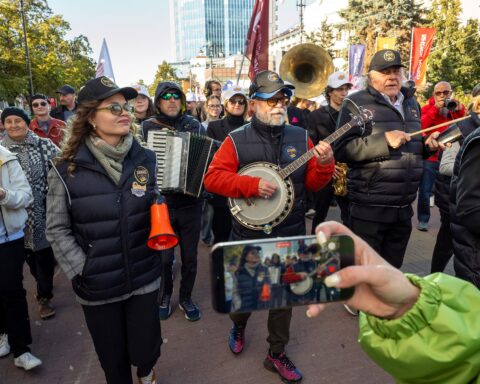
There were artists from other places who have made Canada their home, including the high-spirited Haitian group Rara Soley, drawing large audiences with their mesmerizing traditional rara music. From Cuba, 72-year-old pianist, composer and educator Hilario Durán played an enlightening and captivating solo set; trombonist Yordan Martinez presented his own Latin band, leading tributes to Celia Cruz and the Buena Vista Social Club, and promising pianist Willy Javier Soto Barreto accompanied Rachel Therrien, Alex Bellegarde’s Latin Jazz Quartet and rising young trumpeter Rémi Cormier.
Cormier’s late-night “Ciné-concert” — a re-imagined soundtrack to Louis Malle’s film Ascenseur pour l’échafaud — was one of the festival’s Miles Davis centennial tributes, featuring both local and international artists. Opening day highlighted Marcus Miller and the anticipated We Want Miles alumni tribute band: Mike Stern, Bill Evans, Mino Cinelu, John Beasley, Russell Gunn and Anwar Marshall. Trumpeters Lex French and Ron di Lauro presented Sketched of Miles and a tribute to Kind of Blue (respectively).
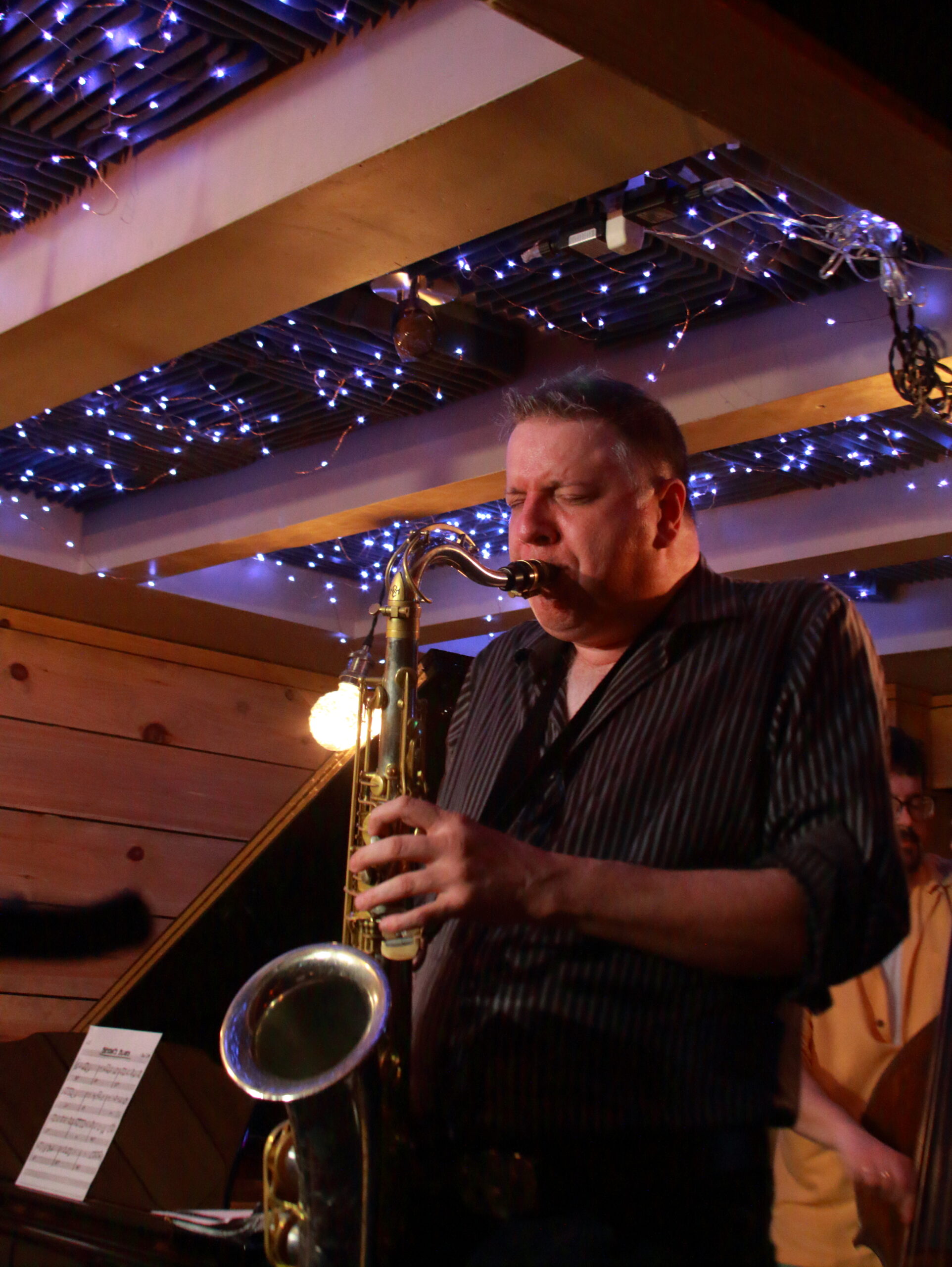
The festival’s Coltrane Centennial celebrations included a world premiere of selections from the mythical Tiberi Tapes, hosted by Ken Druker of Verve Records, followed by a conversation exploring Coltrane’s legacy. Saxophonist Isaiah Collier and his quartet performed a reverential, devotional and spirited performance of A Love Supreme at Théâtre Jean-Duceppe. Celebrated saxophonist Christine Jensen honored Coltrane’s legacy leading some of the most interesting contemporary Canadian voices — André Leroux (sax), Lex French (tr), Jim Doxas (dr), Remi-Jean Leblanc (b) and François Bourassa (P) — all gifted leaders in their own right – through compositions written between 1960 and 1965. The thoughtful and emotive set included “Equinox” and lesser-known compositions like “Blue World” (from the album of the same title which, Jensen shared, was commissioned by Québec filmmaker Gilles Groulx for his film Le chat dans le sac, or The Cat in the Bag). Fellow West Coast saxophonist Al McLean, also one of Montreal’s eminent horn players, performed a poignant Coltrane tribute at Dièse Onze, featuring Jim Doxas on drums, as well as Americans Peter Madsen (p) and Walter Stinson (b), stirring the audience with “Mr. Day” and “Bessie’s Blues” and tearing through “Big Nick.” Both players humbly mused about Coltrane’s transcendence and profound impact.
There were Master Classes with established artists including Victor Wooten, Christian McBride, Joshua Redman and Brandee Younger as part of the L’Acedemie series. And there were jam sessions, where artists such as Willow dropped in.
For 10 full days, Montreal’s Quartier des Spectacles became the festival’s sprawling home, with music spilling from concert halls, outdoor stages and clubs from afternoon until well past midnight. By the festival’s end, after logging some 50 miles with camera gear in tow through heatwaves and torrential rainstorms, I was exhausted, overflowing with music, and already looking forward to embracing that welcome dilemma of abundance all over again next summer.
Click on images below to enlarge.
See Sharonne Cohen’s comprehensive article on late pianist Oliver Jones in DownBeat