
Jackson Street Jazz Festival, September 12-13, 2026 — Today’s players in the historic music district
Before Seattle became internationally associated with any genre of music, South Jackson Street had already established the city as an important jazz town. From the late 1930s into the early 1950s, clubs stretched along a multiracial corridor connecting what are now the Chinatown-International District and
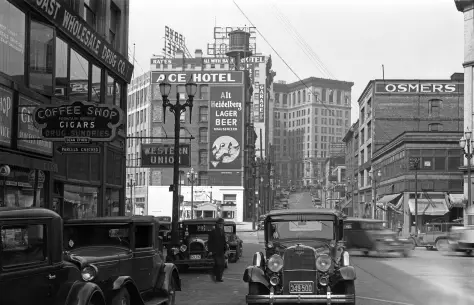
and Central District, neighborhoods shaped in part by the racial restrictions that limited where Black and Asian residents could live and do business. The after-hours scene nurtured musicians including Ernestine Anderson and Quincy Jones, welcomed a young Ray Charles, and filled rooms such as the Black & Tan, Ebony Café and New Chinatown with music long after much of the rest of Seattle had gone to bed.
The Jackson Street Jazz Festival places contemporary musicians back inside that geography, which is why I could have spent the entire afternoon reading the large teal history panels that stood among the stages and activity tables, filled with photographs and stories of the musicians who made Jackson Street a jazz corridor long before anyone needed to call it historic: Oscar Holden, Ernestine Anderson, church groups, bandstands and faces preserved in sepia and black-and-white. I kept stopping. So did my eight-year-old, although journalistic integrity requires me to admit that free cupcakes for readers may have strengthened his commitment to Seattle jazz historiography.
I gathered my family around Oscar Holden’s photograph and explained that Holden also appears among the musicians photographed in Mr. Albert J Smith’s archive, which I have spent considerable time studying. Here he was smiling enormously at the piano, and I leaned closer, looking for a curtain, a wall, some architectural clue that might tell me which room he was playing in.
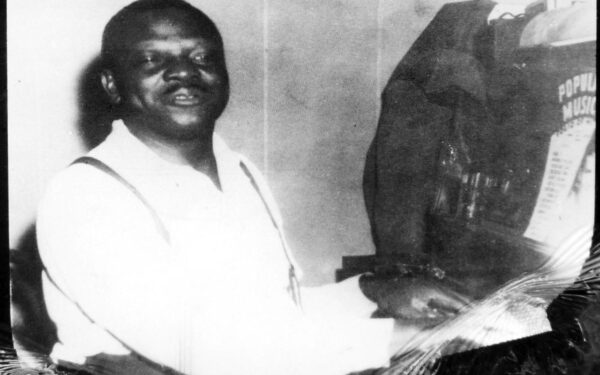
I like to imagine he played with that smile all night.
We experienced Jackson Street as a family, so the afternoon included button-making, bracelet-making, live glassblowing and ice cream alongside the music. During a session called “Jazz Therapy,” my son started shaking his booty to the saxophone so enthusiastically that he fell and bloodied his knee. Ice cream still in one hand and remarkably zero tears, he got back up.
“Ahhh, living the jazz life,” I told him.
There are more scholarly ways to explain cultural transmission. Jackson Street supplied a better demonstration. The D’Aaron Trio soundtracked much of our teal-sign reading, which felt almost too perfectly arranged. Then, dear reader, the Joe Brazil Legacy Tribute Band stopped me cold. My husband watched me cup my ear and put it to the wind.
This sounds like home. And we were off.
I found them by ear before I knew who I was hearing, which remains one of my favorite things about music: Michael Yasutake and Darryl Barber on saxophones and Harvey Leonard on trumpet became, somehow, a safe place to land. The horns could wander because the center never disappeared. The whole thing swung with the confidence of musicians who knew exactly where home was.
The swing got me, too: Steve Banks on drums and Lamar Lofton on bass holding an unendingly consistent groove, sturdy enough that everything above it could move freely, while Antonious Mulia’s keyboard settled comfortably inside that pocket. Only afterward, during a YouTube-search frenzy because I wanted to find that sound again, did I learn that four members of the ensemble had studied with Joe Brazil.
I loved learning the history in that order. The music had already made its argument. I had spent the afternoon reading an archive, and then followed another one entirely by ear: Musical knowledge passed from teacher to student and returned to Jackson Street in sound.
Our listening eventually carried us into Cheeky Café, where French fries accompanied the Heather Ward Quartet. From the microphone, Ward slipped into “Popsicle Toes,” earning an immediate giggle from my eight-year-old. He has spent enough of his childhood around serious, exploratory and avant-garde jazz that the sillier pleasures of the repertoire can feel almost refreshing: a funny title, a lyric he understands, a room where jazz asks very little of him beyond enjoying himself. Later, back near the children’s activities at Pratt, we grabbed chicken and rice and tried fried plantains for the first time. My husband knows the look by now; when my ear requires me elsewhere, he sweetly facilitates the investigation, preferably with food. Then I realized Julian Priester was playing at the Pratt center.
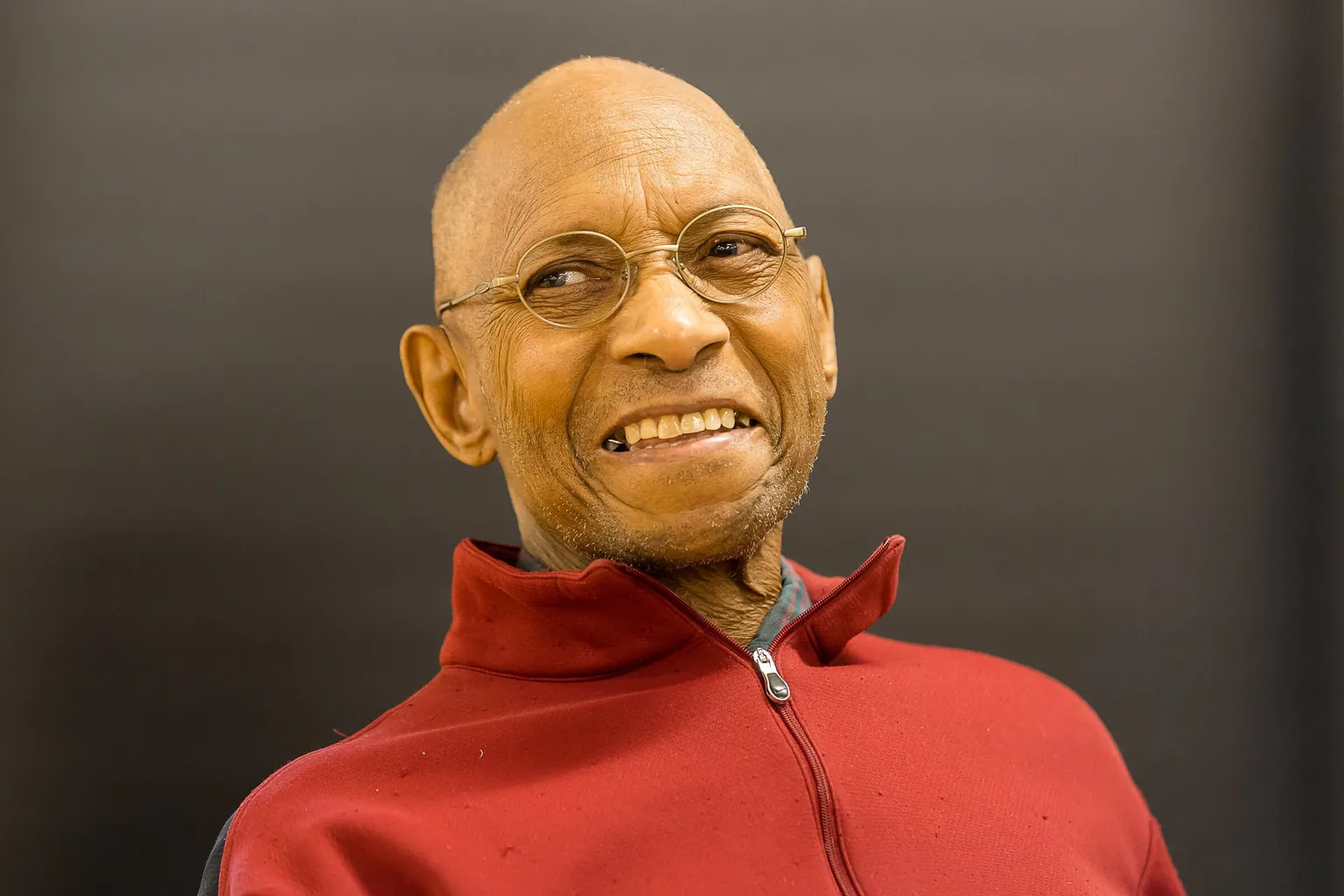
Oh. Well, yes. That explains that.
That was Jackson Street for us.
Somewhere along the way, preserving jazz history and simply allowing people to encounter it began to look remarkably similar; incredible. And this alone left me with a question for the festival’s Executive Producer Eugenie Jones: What does it actually take to keep a musical history alive in the place where it happened?
Jones has been answering that question in practice for years. An award-winning vocalist, songwriter and producer, she has led the Jackson Street Jazz Festival for nine years, building its programming around three words she returns to repeatedly: music, community, legacy.
A two-time Earshot Jazz Golden Ear winner for Northwest Vocalist of the Year, a Seattle Jazz Hall of Fame inductee and a 2023 Jazz Journalists Association Jazz Hero, Jone’s work beyond the microphone has increasingly centered the preservation and transmission of Pacific Northwest jazz history. That work extends across generations. She was commissioned by Crusaders drummer Stix Hooper to produce the Celebrating Ernestine Anderson series, founded the Kitsap County-based Music Discovery Center, whose programs have expanded youth access to instruments and music education, and created the newer Roots & Rhythm series, as Seattle jazz history moves through performance, conversation and documentation in programs such as “Sacred Conversations” featuring Nathan Breedlove. For an Overton Berry tribute, Jones paired 17-year-old pianist Xavier Colón with veteran Seattle pianist Randy Halberstadt, placing the beginning of one musical life beside decades of another. Her service-award materials describe this practice as cross-generational curation, an intentional effort to put established and emerging musicians into the same rooms so regional jazz lineage can continue moving forward.
I had already stumbled into another version of that lineage when I followed the Joe Brazil Legacy Tribute Band by ear. Jones has a considerably sweeter word for what she is creating: Sprinkles.
Jones is engineering the sprinkles. So I started there. (Continued, below this report from another noted fest.)
Bumbershoot, September 5-6 2026 — Music refusing to stay in any one lane
‘Somewhere between a wrestling ring, a fashion runway and the familiar stages of Seattle Center,
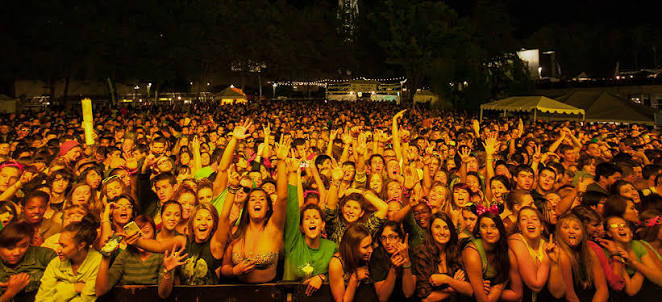
Bumbershoot made a convincing argument that a music festival can still be wonderfully difficult to categorize.
The 53-year-old Seattle arts and music festival returned September 5–6 with a program that moved from hometown artists to international headliners while treating the space between them as part of the experience.
Bikini Kill, De La Soul, Sudan Archives, Death Cab for Cutie and dozens more shared the weekend with professional wrestling, independent fashion, skateboarding, film, comedy and, because apparently Bumbershoot understands its assignment, a cat circus.
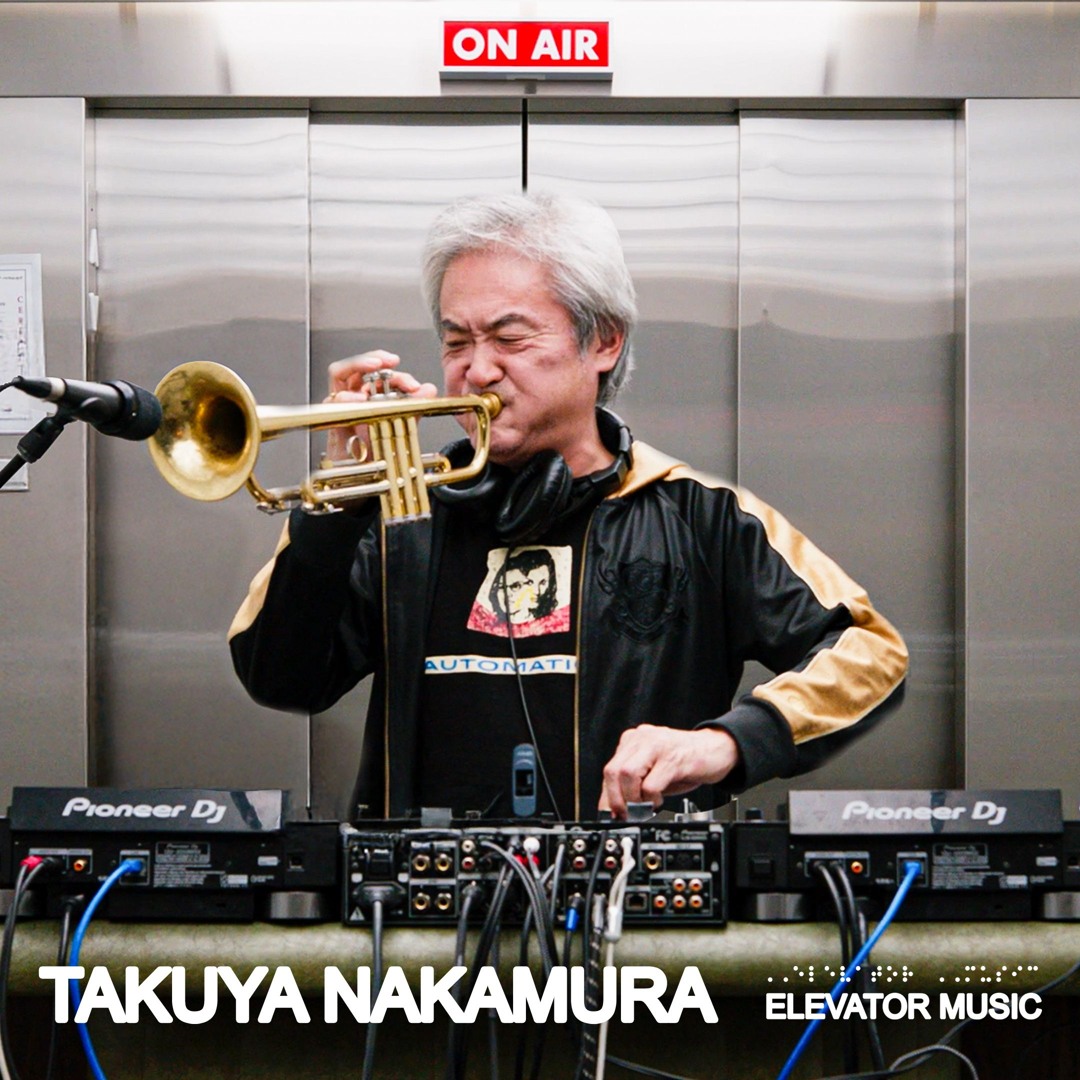
For jazz listeners, Sunday offered one of the weekend’s clearest bridges through trumpeter and producer Takuya Nakamura, whose afternoon Mural Stage set occupied the increasingly porous territory between jazz, electronic music and club culture.
Yet Bumbershoot’s broader improvisational spirit was everywhere: musicians responding to audiences, genres colliding across stages and Seattle artists working within a festival that has spent more than half a century reflecting the city back at itself. That included local band Hard Maybe opening Saturday afternoon, a reminder that before the enormous evening crowds arrive, festivals still offer the peculiar intimacy of discovering a band in daylight, close enough to watch musicians communicate with one another in real time. Later, Bikini Kill transformed the Mural Stage into something communal and historically charged, while Sunday stretched from Nakamura to De La Soul and finally Death Cab for Cutie.
Bumbershoot works because wandering remains part of the proposition. You follow one sound and encounter another art form entirely. For a listener, that unpredictability feels increasingly precious: The possibility that you might arrive looking for music and leave having heard the whole city differently.
Back to Jackson Street, in conversation with Eugenie Jones
Emily Steinhilber: I was fascinated by how little separation there was between the historical material and everything else happening at the festival—the music, food, kids making things, people moving through the neighborhood. Was that integration intentional? What do you want somebody to absorb about Jackson Street without necessarily realizing they’re being taught?
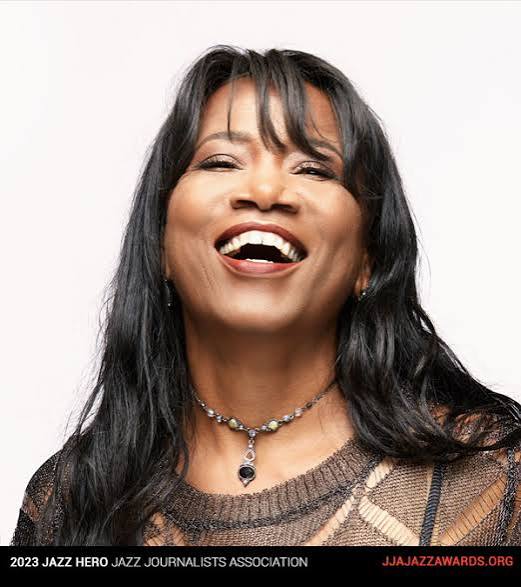
Eugenie Jones: All three pillars are music, community, legacy.
Community is a huge part of that. Some of the publicity that goes out says, “We’re taking over the Jackson Corridor.” But really what we’re doing is integrating into that corridor of existence, because that’s where the history happened, and that’s where people are currently existing, and we want to make that history live in their presence today. We want to be a part of the neighborhood. We want to be a part of people walking their dogs, people going to restaurants, people on their way to errands and stores who are like, “Oh, what’s going on?”
I’m very intentional about the community aspect. I think it’s really important that we involve our community partners and people, but also give back to that community.
Steinhilber: I followed the Joe Brazil Legacy Tribute Band entirely by ear. Only afterward did I learn that four of the musicians had actually studied with Joe Brazil. How important is that direct musician-to-musician transmission—the things people carry that can’t necessarily be preserved in a photograph or archive?
Jones: Even when I hear you speak those words, it makes me get teary-eyed, because Joe Brazil was an incredible artist and contributor to the jazz scene in Seattle. His niece presents that band, and ever since I took over the festival, I made sure that they’ve been a part of it because they are representative of what Joe Brazil was and his legacy. As much as I can, I try to bring forward artists who are part of that history, either through lineage or through experience.
Steinhilber: Jackson Street exists inside a neighborhood whose Black cultural history has survived enormous economic and demographic change. When you put jazz physically back onto Jackson Street now, what are you preserving beyond the music?
Jones: At one point, that community was 85 percent Black, and it had businesses, and it became an epicenter for the African American community. An unintentional consequence of them being sequestered to that area was economic empowerment and a sense of strong community. Now that displacement has happened through gentrification, I want to make sure that people know that this is what it used to be, and the legacy of that music does not diminish with time and ignorance.
I’m always telling those stories over and over again. And people like you write it down, and other people read it. Other people experience it. People come to the history table and say, “I didn’t know that. I didn’t know that.” And so I’m there to say, “Hey, hey. Know this. Know this.” Own this, because this is not just an African American legacy. It’s a Seattle legacy, and you should know it and be proud of it.
Steinhilber: When you walk down Jackson Street today, what might somebody miss if they don’t know what they’re looking for?
Jones: There aren’t really clubs like there were back in the ’40s and ’50s. With the Jackson Street Jazz Trail, they created markers to mark those spaces that used to be historic Black clubs in that area. The physical structure is no longer there, but the shadow of who they were and what existed is there. What I see now is a contemporary city, the way you see any place else you go. Unless you pull back the curtains and explore for yourself, you won’t know, just by walking through that community, what happened there.
It doesn’t just jump out at you and say, “Oh, this is where Quincy Jones went to trumpet school,” or this is where an African American man with an entrepreneurial spirit started a music school, or this is where Joe Brazil hosted musicians traveling through the country and did jams at night. You’ve got to find it and know about it. My role is just to say, “Here it is. Now dig deeper.”
Steinhilber: I brought my eight-year-old, and I truly think he carried some information home. What do you hope a kid carries home from an afternoon like this?
Jones: Children process emotions even if they don’t read posters or understand the higher-level communication that’s happening around them. They experience the joy and the pleasure, and the taste, and the surroundings, and the interaction with other children. Those are memories that your child and other children there will take with them for a lifetime. Maybe they build on those memories by being engaged in artistic endeavors going forward. Maybe they’ll be involved in music after seeing a guy play an upright bass.
Who knows what sprinkles of curiosity, what seeds we’re planting in their minds?
Maybe someone says, “Hey, I heard you back in the day. My mom took me to a festival, and ever since then I wanted to play.”
You never know what you’re laying.
Steinhilber: If we came back to Jackson Street 20 years from now, what would you need to see or hear to know this work succeeded?
Jones: What I’ve noticed since the festival has been going on is that the bands I’m bringing onto those stages, they’re coming back and performing, and those restaurants are offering music on a more regular basis, not just once a year. I would like to see a continuation of that.
Some of the people I select are experienced and established artists. Some of them, people don’t know them from a can of paint. That doesn’t mean they don’t have any value. It just means there hasn’t been an opportunity for them to be known. What I want to see on Jackson and throughout this entire area is more opportunities for live music, more people experiencing that music and, importantly, for the artists to be compensated for their work.
I detest the concept of free music. Music is not free.
If you’re in the audience and you didn’t pay for that performance, somebody else paid for it for you. The artists who are utilizing the gift of their time and their talent, creating charts, rehearsing with their band members, traveling, and all the costs associated with being jazz artists—they deserve to be compensated. I’d like to see a greater footprint of live music, opportunity for artists, and permanent fixtures that recognize the legacy of that community, so that people who are there today recognize and value the ground they’re walking on.
Steinhilber: I came to report on a jazz festival, and I feel like I’m leaving with a much bigger understanding of what you’re protecting here. So let me ask you something personally: How can I help preserve that so it might last another hundred years?
Jones: Thank you for asking that. Thank you for caring enough to ask that.
What you’re doing, Emily, you are helping us. The story that you’re writing right now is going to go out, and our footprint is expanding because of the story you’re writing, because of your presence there, because of you experiencing that and now taking your experiences to paper and print so that other people will experience it as well. I want the Roots and Rhythm series to be chronicled. So now it’s not just stories that go into your ear and they’re gone, but actually it’s a YouTube video or an article or something that preserves that information. It’s about trying to preserve that legacy in an interesting and engaging way.
Steinhilber: You described Stephanie Johnson-Toliver earlier as someone who kept giving you information, sharing insight and “stoking the fire.” I really like that phrase.
Jones: Yeah. That’s what we do. We stoke the fire.
[Readers interested in Seattle’s jazz history are directed to Jackson Street After Hours, by Paul de Barros. ]