Russia’s Ural Jazz Festival Marks a Quarter Century
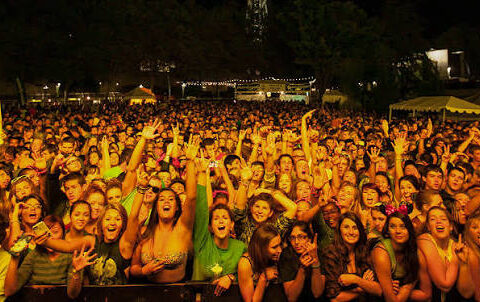
On the last Saturday of August, the pedestrian stretch of Kirov Street in Chelyabinsk — an industrial city in the southern Ural Mountains, roughly 1,000 miles east of Moscow — fills with trumpets, trombones, drums, percussion and a crowd that clearly doesn’t mind the noise.
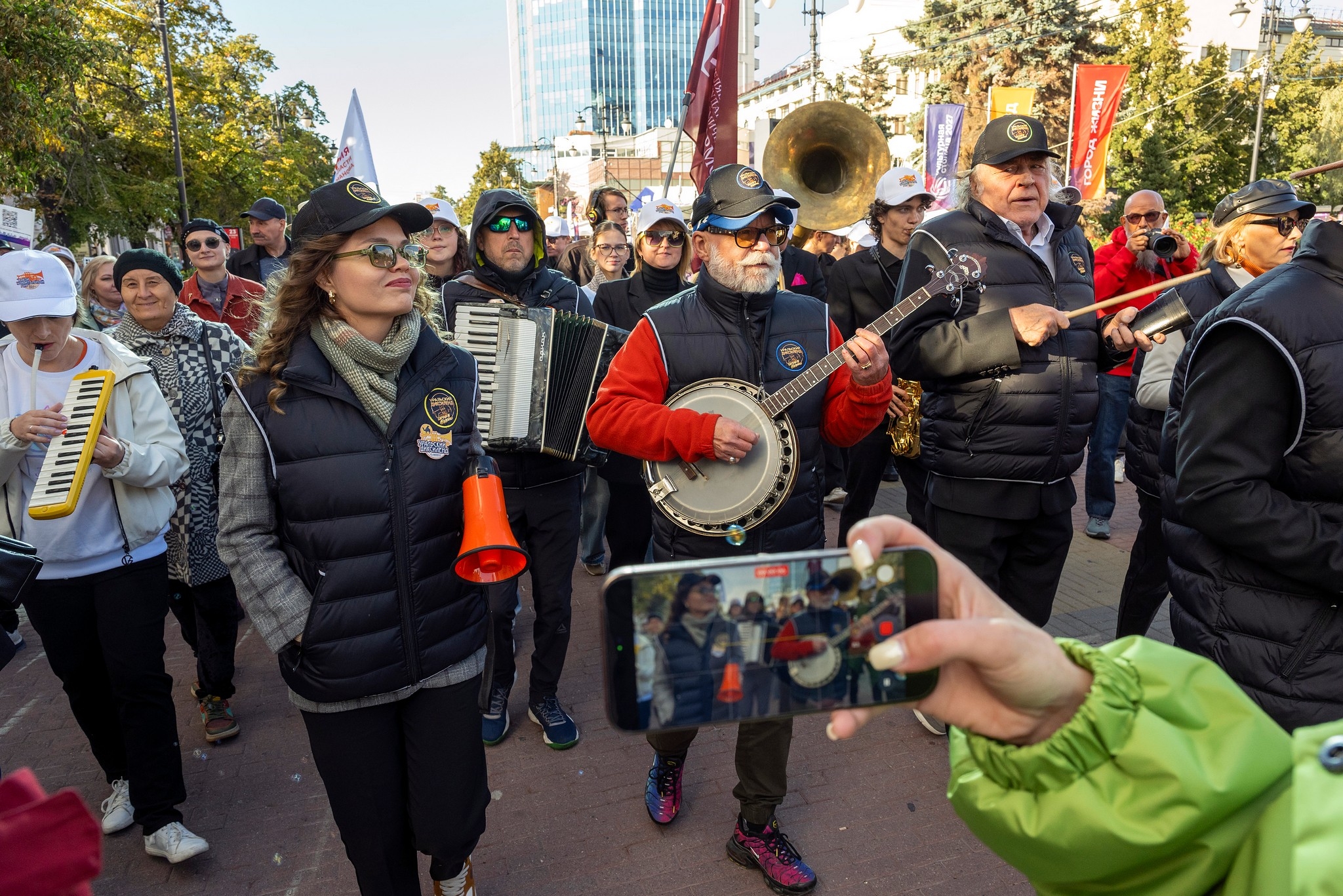
Local jazz bands lead a parade past a monument to Soviet-era tank volunteers, with dozens of photographers in tow, and hundreds of local residents falling in step behind them. By evening, the same street hosts an open-air “Jazz Marathon” running until 10 p.m., free for anyone who wants to listen. This is the closing weekend of the International Jazz Festival “Kakoy Udivitelnyi Mir” (“What a Wonderful World”) — and this year, the festival turned 25.
The story begins in 2000, when trumpeter and bandleader Igor Bourco (1944 – 2018), founder and head of the Uralskiy Dixieland jazz ensemble, picked up a thread first spun in the 1990s by the city’s Municipal Center for Jazz Music under bandleader Stanislav Berezhnov. Bourco and a circle of local musicians, backed by the regional Ministry of Culture, the Chelyabinsk Mayor and the Chelyabinsk Philharmonic, built the festival on a simple premise: Put beginners and masters on the same stage, keep the biggest concerts accessible to everyone and give traditional jazz a genuine street presence rather than confining it to concert halls alone. Its name and motto borrow directly from the Bob Thiele and George David Weiss standard — a nod, Bourco said, to the optimistic idea they wanted jazz to bring to a city better known for factories than swing.
Over 25 years, that idea pulled in musicians from far beyond Russia: American players Eve Cornelious, Melvin Williams, and Alvin Atkinson, Finnish clarinetist Antti Sarpila, Spanish singer “Big Mama” Montse, and artists from Germany, Great Britain, Israel, Armenia, Iran, Thailand, Jamaica and Trinidad and Tobago have all shared a Chelyabinsk stage, alongside Russian stars like saxophonists Igor Butman and Georgy Garanian, pianist Daniil Kramer, and of course, the Uralskiy Dixieland ensemble.
For its anniversary edition, held August 26–29, the festival leaned into its own history. A photo exhibition, “A Quarter Century of Jazz,” opened back in July on Kirov Street, tracing the festival through images of visiting stars and street processions. The program paired reflection with new collaborations: I lectured on American hard bop in French cinema, there was a screening of the documentary “Jazz 100” introduced by Jazz.Ru editor Cyril Moshkow, and a panel on jazz education. The centerpiece came at the Sergei Prokofiev Concert Hall, where the Philharmonic Big Band of the Republic of Tatarstan, led by Sergei Vasilyev, and Moscow-based singer Marie Carne performed at the first gala show. At a second gala billed as an “international summit” of
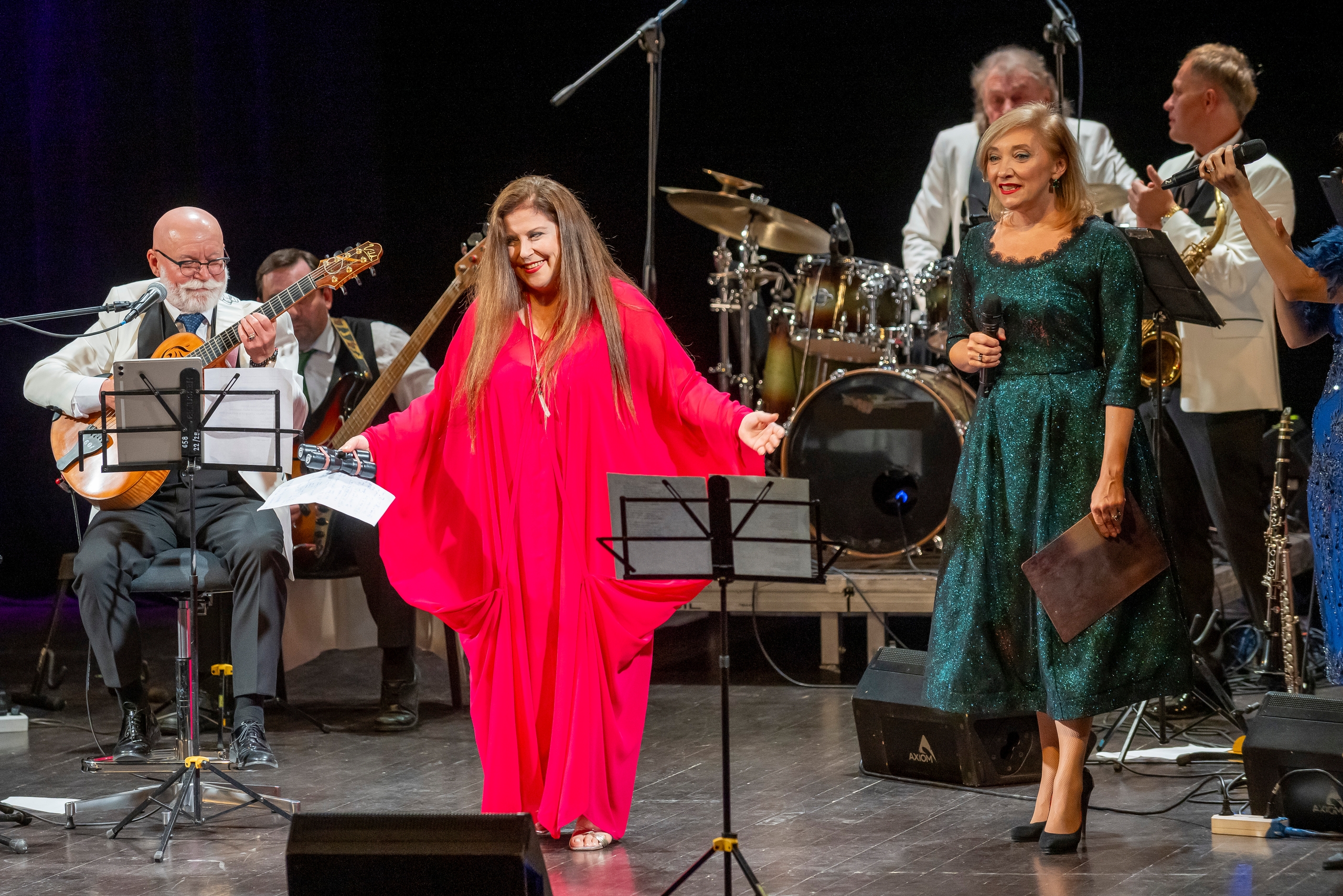
Chelyabinsk, Moscow, St. Petersburg, and Istanbul talent, Turkish vocalist Sibel Köse, Moscow trumpeter Vadim Eilenkrig and St. Petersburg pianist Alexei Cheremizov joined the Uralskiy Dixieland ensemble. A jam session at a local bar capped the night before the street parade closed the festival out.
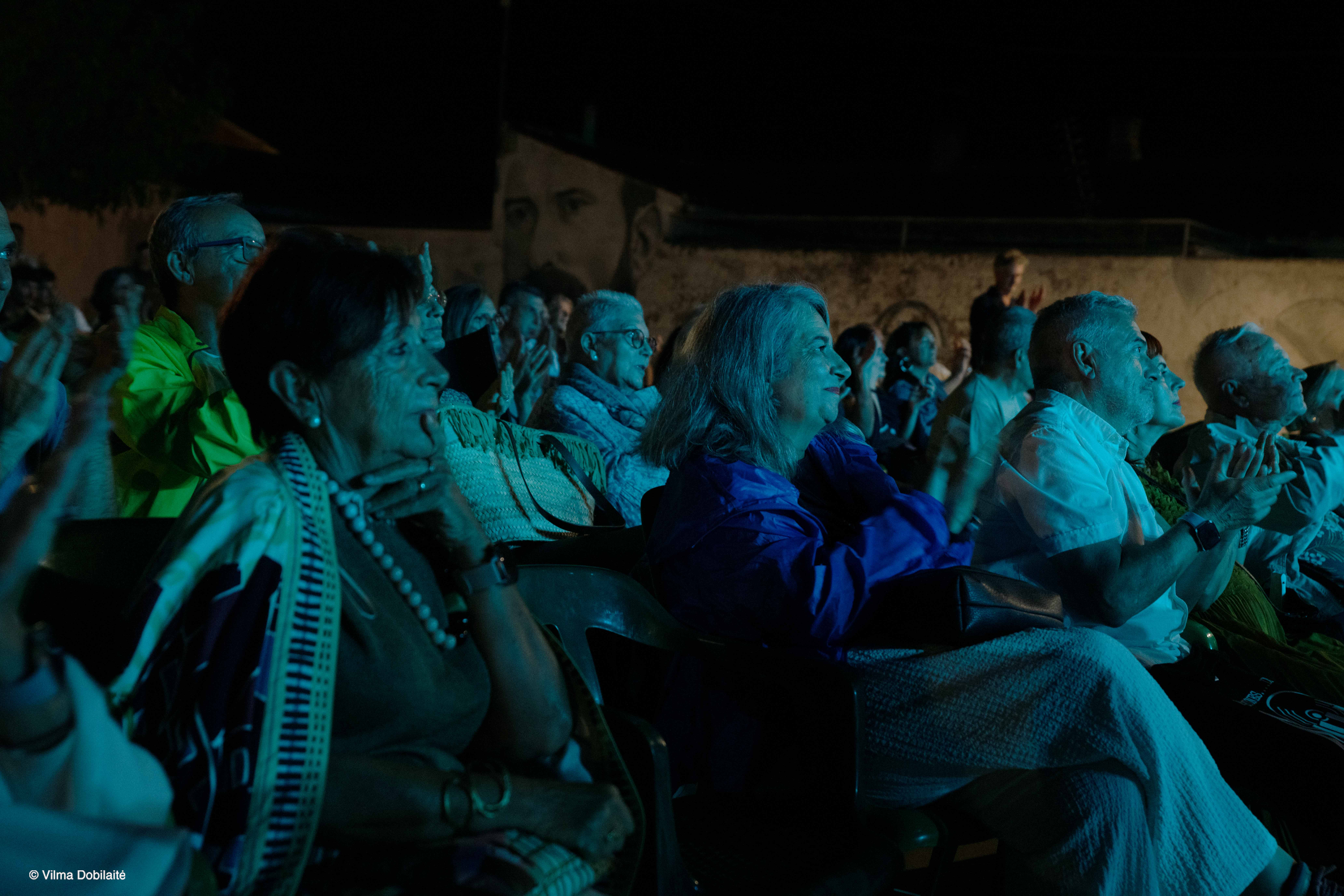
The stylistic and repertory preferences at the anniversary festival fully reflected the course set many years ago by its founder, Igor Bourco: New Orleans jazz, Dixieland, and swing. During his lifetime, Bourco managed to nurture several generations of listeners who, just like him, fell wholeheartedly in love with mainstream jazz. And that was exactly what the audience expected from the 2026 concerts. The Tatarstan Big Band performed pieces by George Gershwin, Irving Berlin, and Gordon Goodwin. Vadim Eilenkrig, along with the Uralskiy Dixieland ensemble, delivered an energetic tribute to the music of Harold Battiste, while Sibel Köse walked through the song classics of swing—the melodies of Duke Ellington, Harold Arlen, and Jerome Kern. Were the listeners pleased? Undeniably, yes! This was clearly shown by the sold-outs, as well as the length and power of the applause.
For me, as the artistic director of the festival, the anniversary is about lineage, because jazz arrived in Chelyabinsk more than 90 years ago. It has become part of the city’s musical environment — heard from the philharmonic stage, in clubs and bars, carried on by our own local orchestras and ensembles. Through the Uralskiy Dixieland group, its “Urals sound” became known in other countries. Twenty-five years on, “What a Wonderful World” is proof that a jazz tradition planted in the Urals nearly a century ago is still finding new listeners.