The second edition of Mil Estones de Jazz Festival took place in Beneixama,
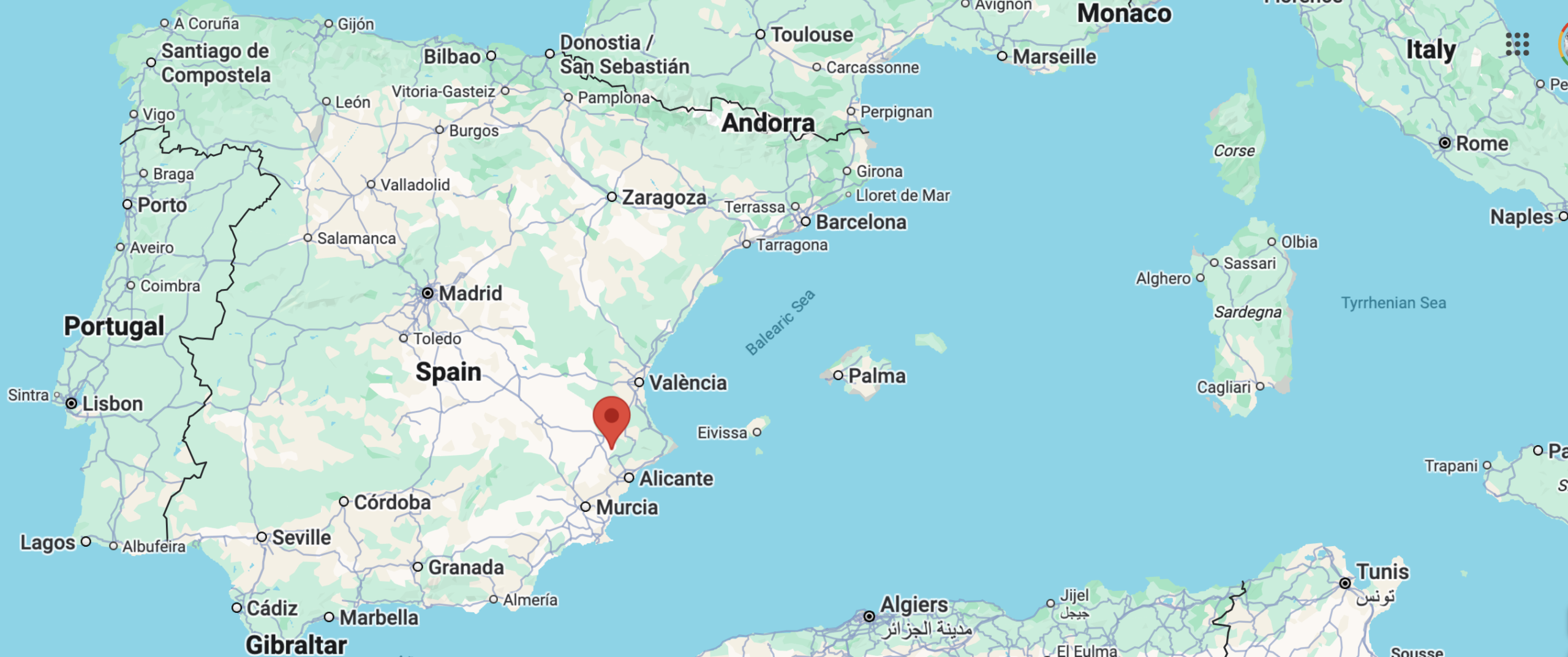
a small town in the province of Alicante, Spain, from August 10 to 16 2026, combining intensive jazz education with concerts and musical encounters.
Of all the performances in a concert program featuring among other ensembles Kanan, Fumero & Arnedo Trio, and the Mil Estones Big Band, I was most excited by Perico Sambeat Plays Zappa, and offer the portfolio of the ensemble below.
“Every Zappa concert is a celebration — a mixture of rigorous arrangements and spontaneous creation,” says Perico Sambeat. His Perico Sambeat Plays Zappa was presented at the Festival on August 15. The project, as originally commissioned by Chevi Martínez and Jimmy Glass Jazz Club, was conceived more than ten years ago as an encounter between Zappa’s music and a personalized language of contemporary jazz, with an album of it released by Karonte in 2016.
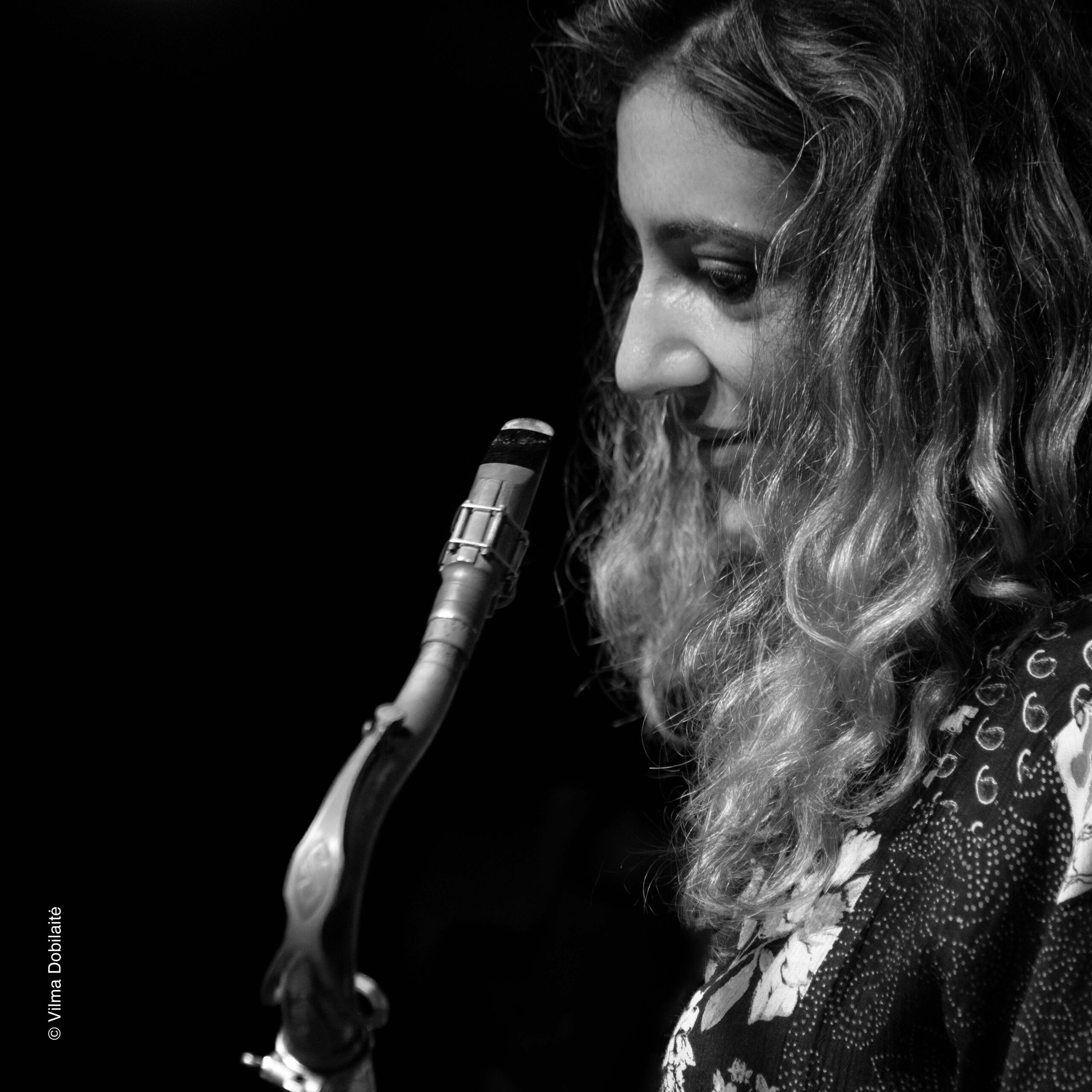
The ensemble brings together eight renowned musicians from the Valencian jazz scene: Sambeat (alto and soprano saxes, flute, etc.), Voro García (trumpet), Iván Cebrián (guitar), Paco Soler (trombone), Miquel Álvarez (bass), David Cid (piano), Miquel Asensi (drums) and Clara Juan Soler (tenor sax). Together, they revisit compositions from Zappa’s repertoire, including “Don’t You Ever Wash That Thing?, ” “I Promise Not to Come in Your Mouth,” “The Eric Dolphy Memorial Barbecue” and “Peaches en Regalia,” among others.
All photos © Vilma Dobilaite; click to enlarge
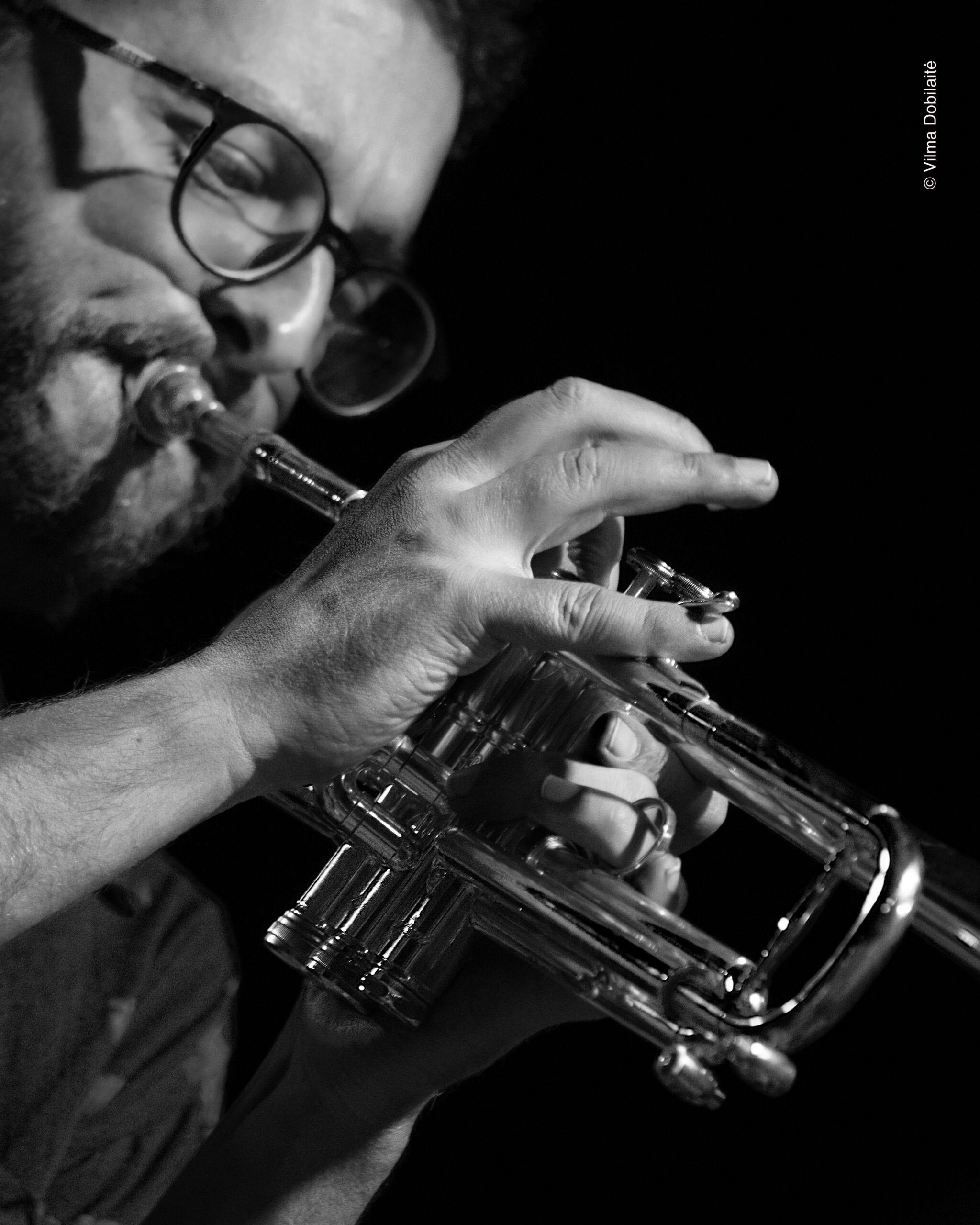
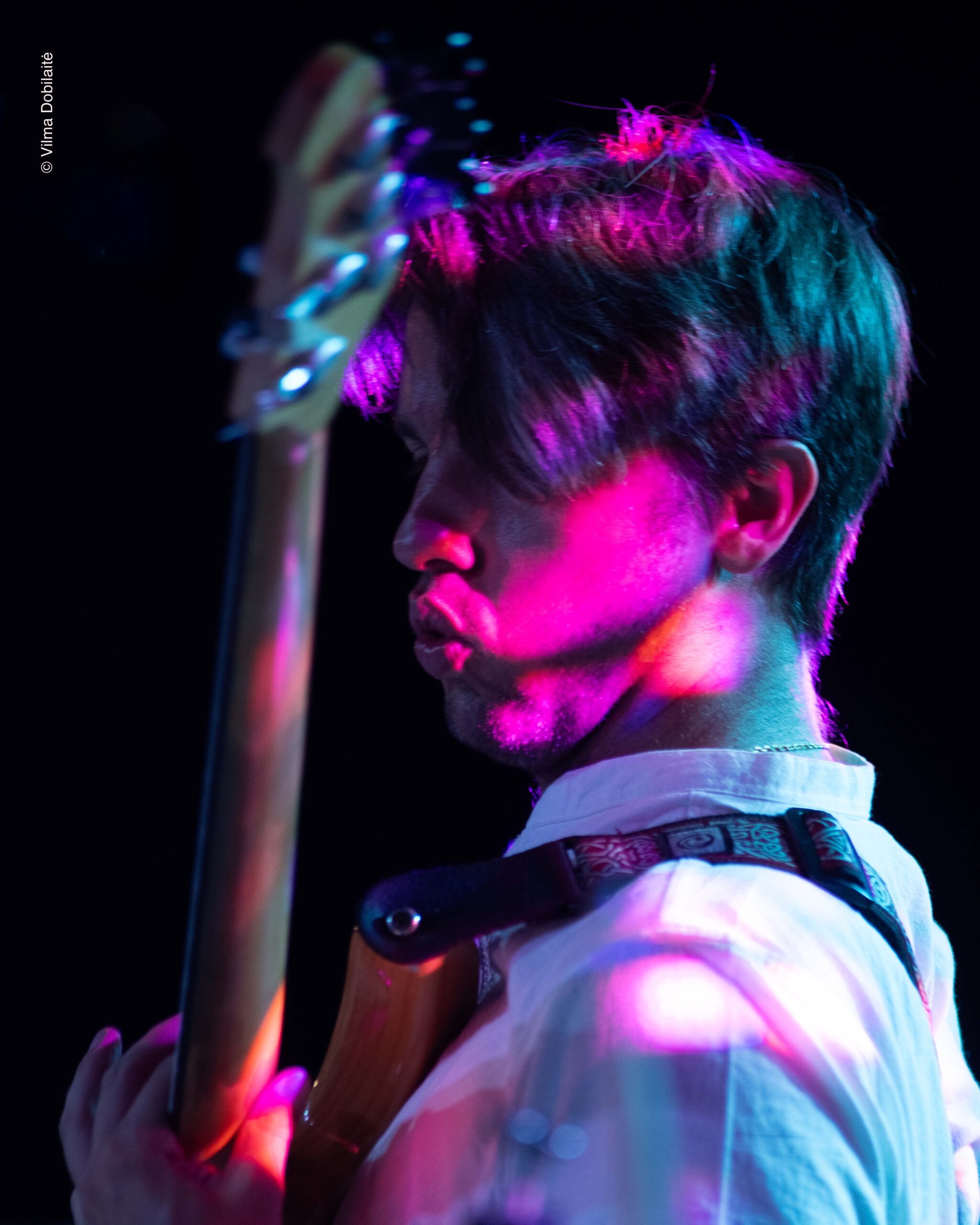
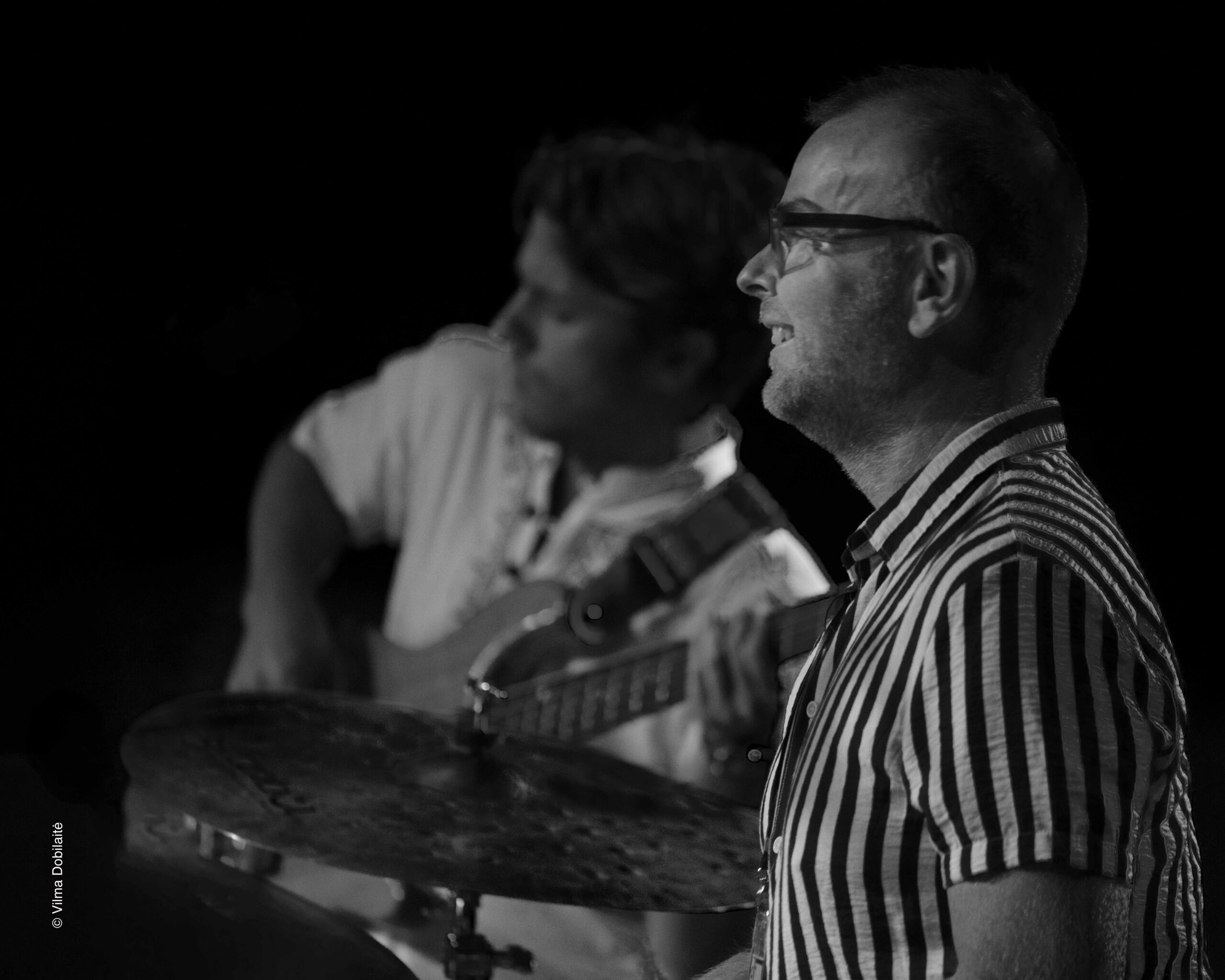

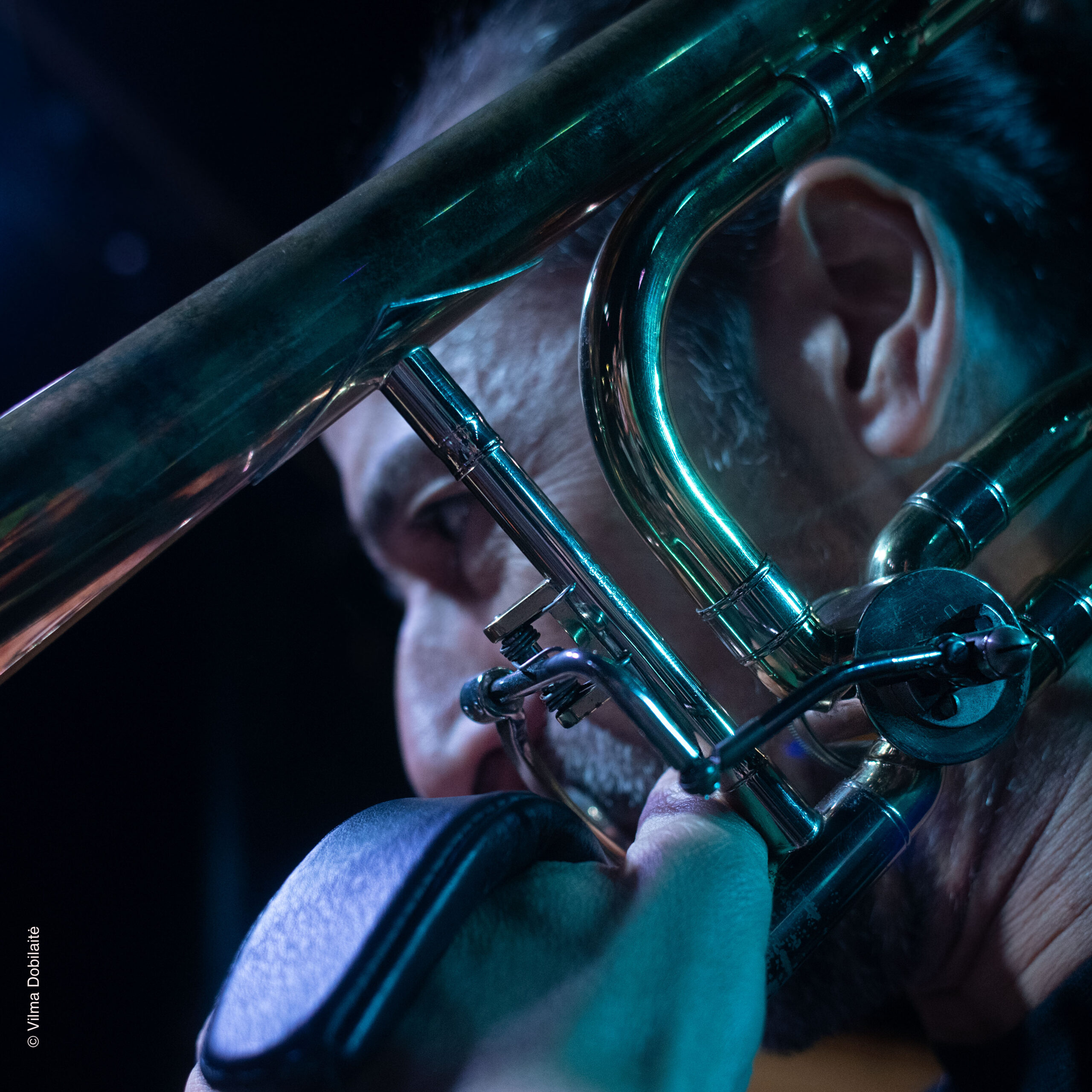
“My Zappa group is one of my favorites — music with open structures and continuous interaction,” says Sambeat. He describes his approach to the arrangements as a dialogue between different musical worlds: “In my writing of the arrangements of Zappa’s pieces, I have tried to unite Zappa’s own vision with those of [Charles] Mingus and the Art Ensemble of Chicago.”
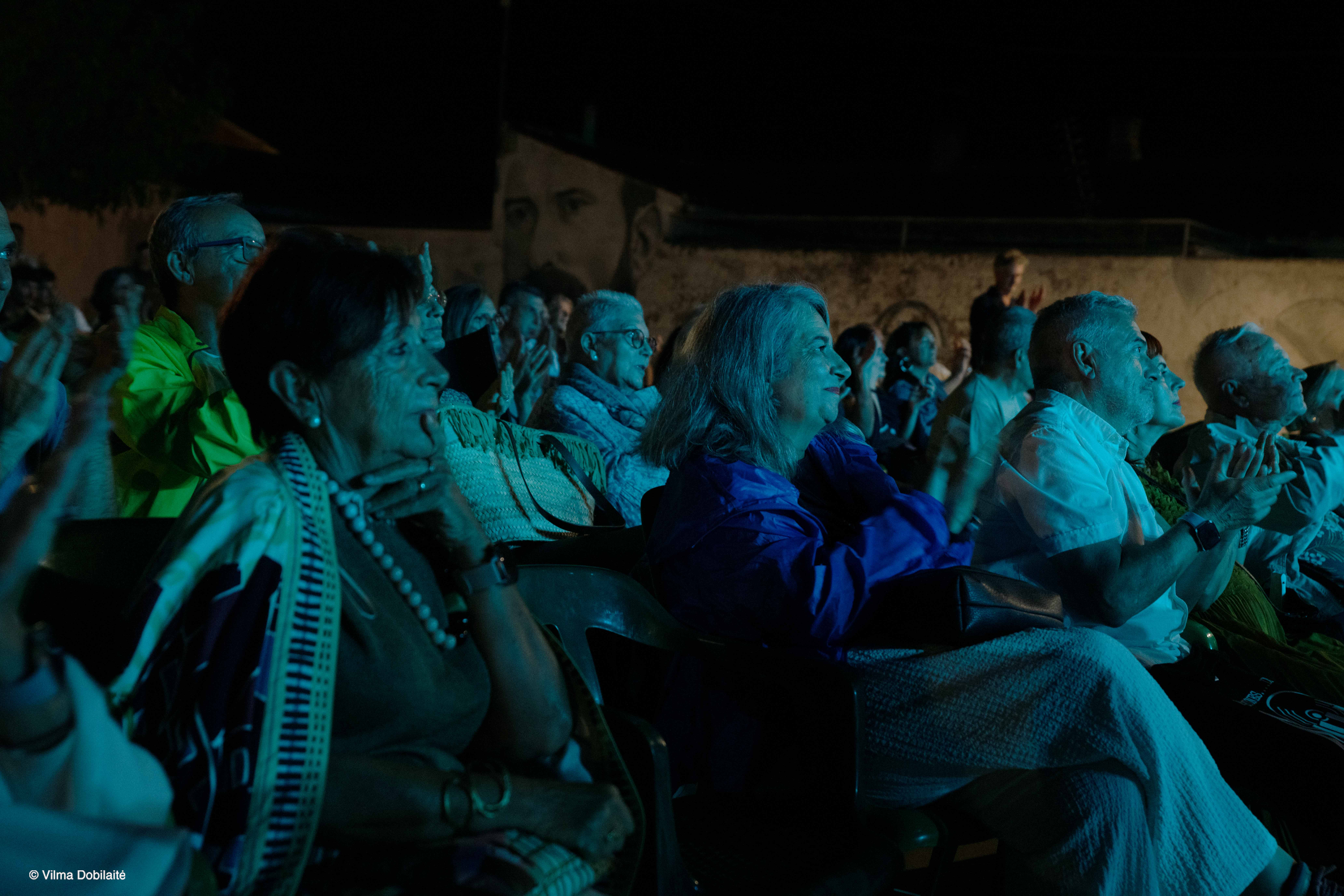
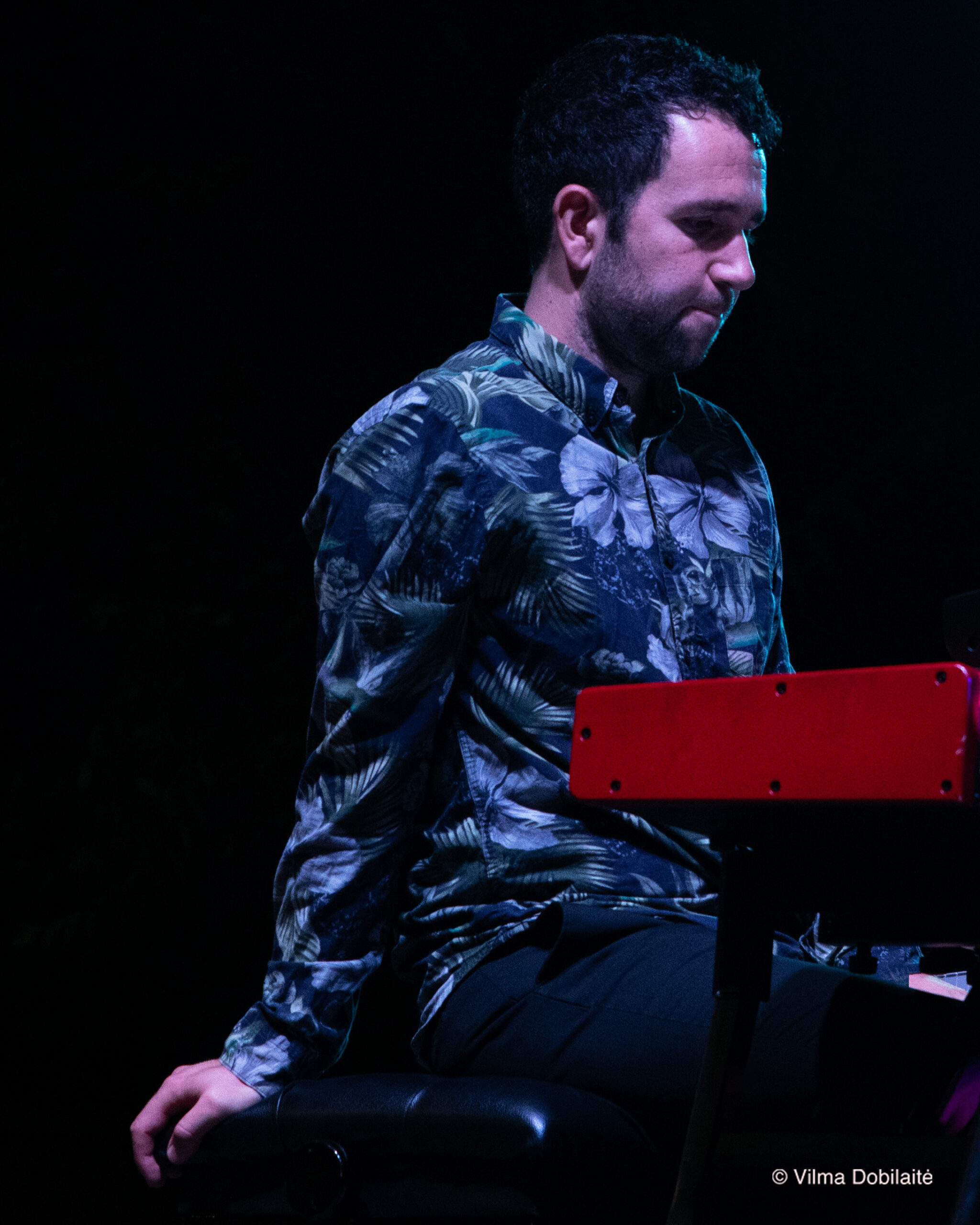
Sambeat is himself compelling as a significant voice of Spanish jazz. Born in Valencia in 1962, he is one of Spain’s most widely recognized jazz saxophonist-composer-educators. His career encompasses an extensive discography, international performances and collaborations with major figures ranging from Brad Melhdau and Mark Turner to the late Wallace Roney and Tete Montoliu. His work as a bandleader and educator has also contributed significantly to the development of the Valencian and Spanish jazz scenes.
Zappa’s approach to live performance embraced the idea that no two performances should be the same. Perico Sambeat Plays Zappa embodied that philosophy. Almost ten years after the album’s release, the project continues to demonstrate its creative vitality. The compositions are not treated as museum pieces; they become a starting point for dialogue, improvisation and discovery. Although the arrangements provide a rigorous framework, the musicians bring their own voices allowing every performance to arrive at something unexpected – the same themes taking on new shapes of sound and mood.
It is not about recreating the past. It is about evolving with every performance. That’s what I find the most inspiring about the project.
At Beneixama, the powerful presence of Clara Juan Soler, a recent addition to the ensemble, particularly stood out. Her saxophone brought a fresh energy and another dimension to the group’s collective sound. There was something especially compelling about hearing Zappa’s universe through her playing.
Zappa in feminine. Powerful. And perhaps that is the most faithful way to honor Frank Zappa: not by repeating his music, but by continuing to create through it.