The 60th edition of Jazzaldia San Sebastian Donostia in the autonomous
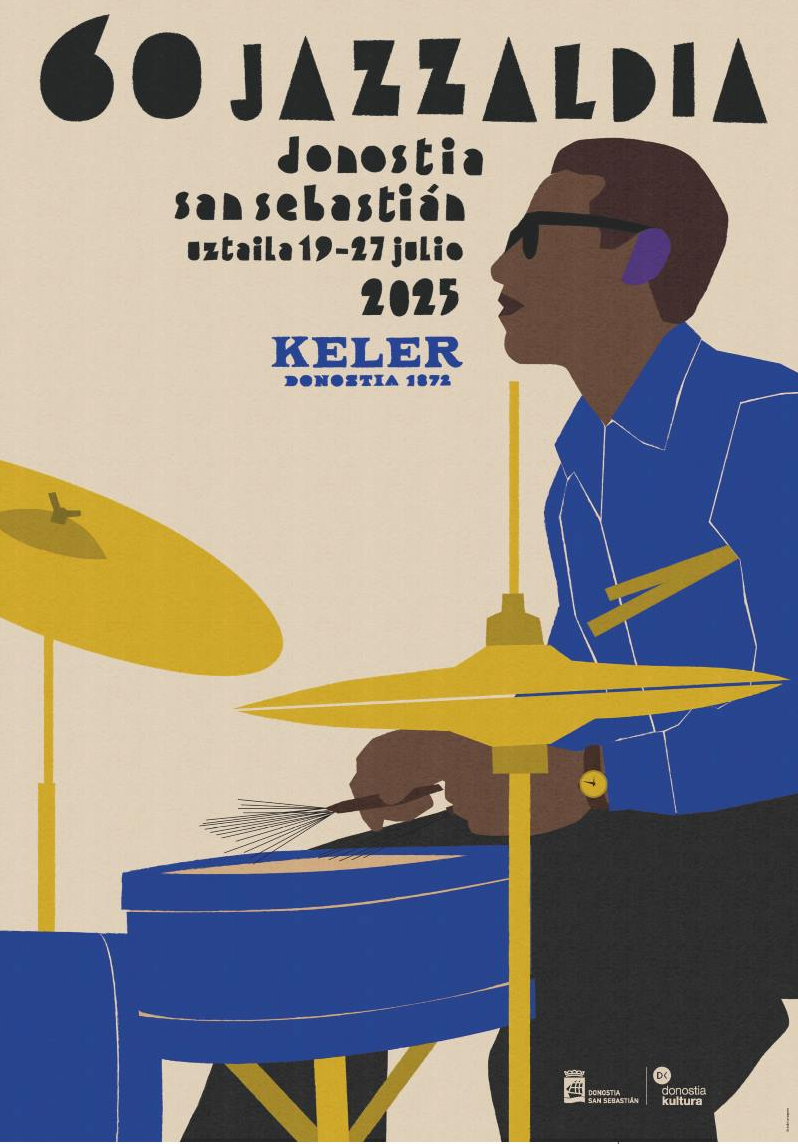
Basque region of northeast Spain was a week-long celebration, starting July 19, peaking July 24 through 27.
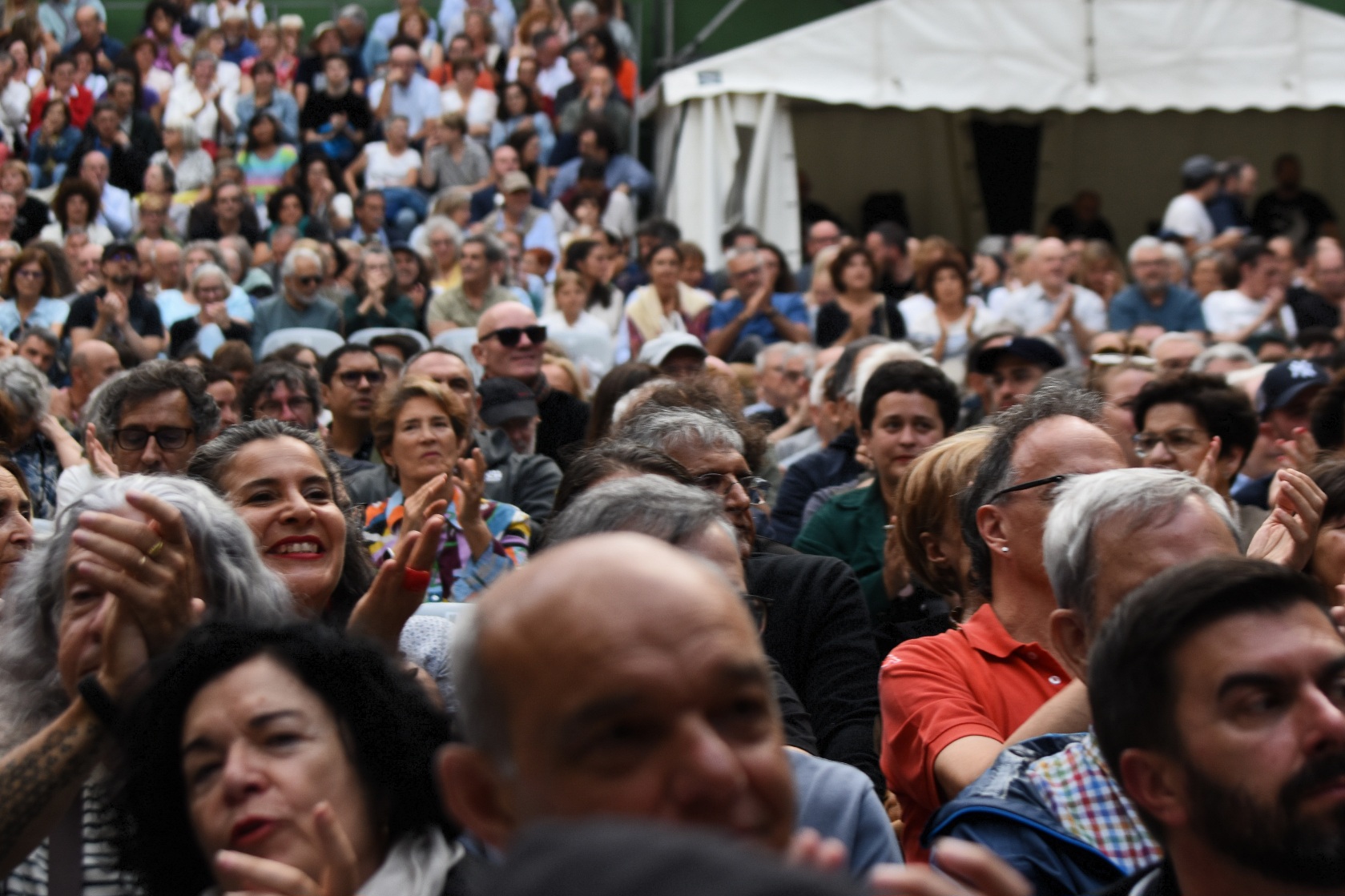
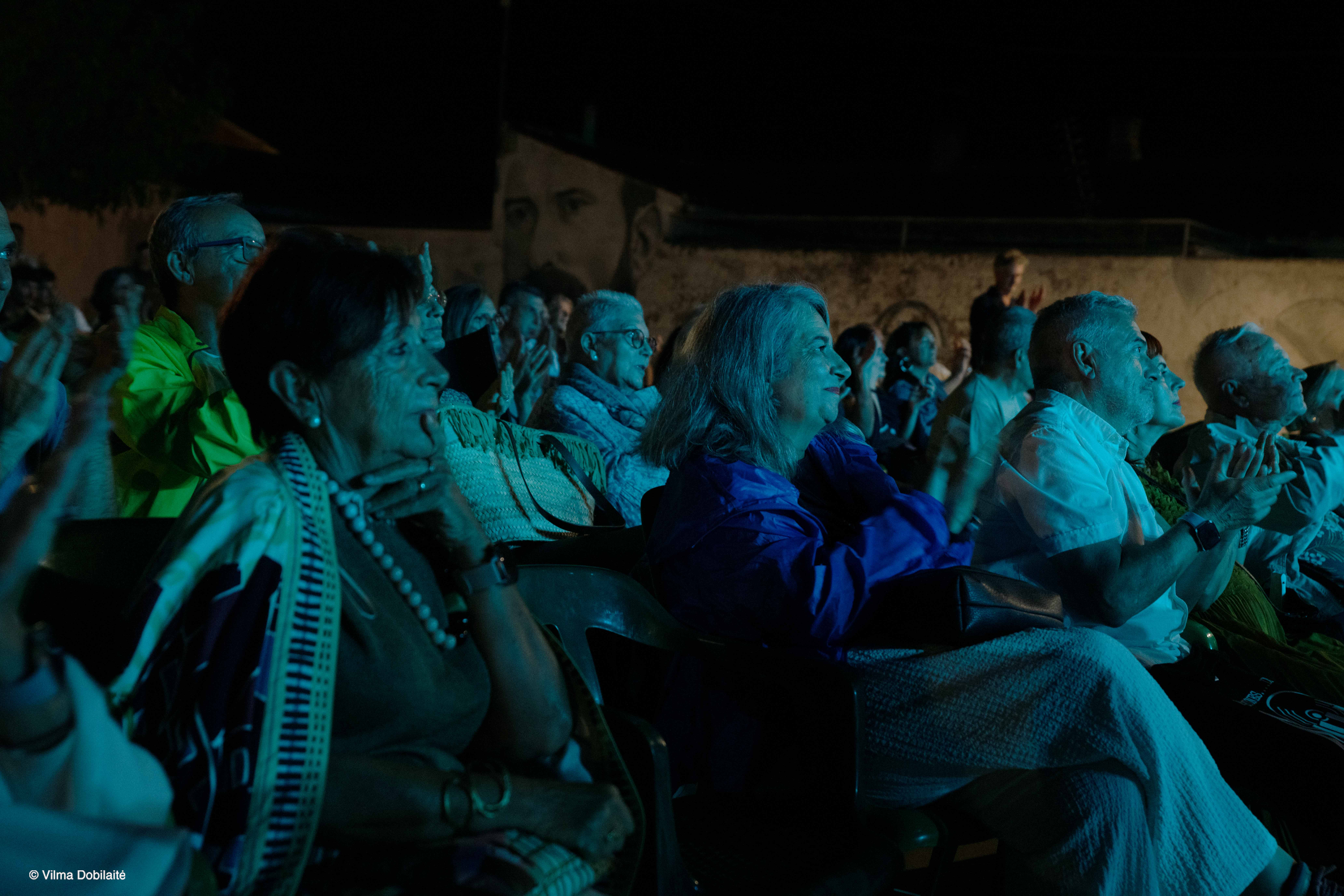
The fest’s website offers these numbers: 12 venues in the very heart of the city, all but one within walking distance; most of the concerts free; 17 of 22 ticketed shows sold out, meaning approximately 20,480 bought. Donostia-San Sebastian’s Keler beer was the local sponsor, with state and local media, enterprises and tourist funds in support.Some 30 years of personal commitment by Miguel Martín, programming and heading the operational team, resulted in the famous fest presenting a significant line of American as well as Basque, Spanish and French artists.
However, almost every festival participant shared a concern about global tensions pervading the cultural atmospheres of our societies. The number of attendees has, generally, declined at many jazz festivals and expenses have noticeably gone up. During a press conference, Martin announced his retirement as the festival program director. He will keep an advisory role.
Victoria Eugenia Theater was the venue for many of the Basque and Spanish performers, whose sets were recorded and streamed live. The prime venues were the Plaza de la Trinidad stage, three of four nights hosting Americans in a snug stone square surrounded by the walls of 16th century San Telmo Museum (where award-winning French pianists and cornetist Kirk Knuffke’s Quartet played, and guitarist Marc Ribot held an intimate solo acoustic set he said was inspired by jazz, classical and traditional music heritages), and Kursaal-congress hall.
Several venues on the Zuriola beach, adored by surfers, held free concerts by young musicians playing creatively fresh, rich, high quality, mostly mainstream jazz. The biggest was the Keler Gunea stage where pianist-singer Jamie Cullum appeared; he’s been touring Europe intently with a set list of R&B, soul and pop hits.
Salvador Dalí’s dictum that a true artist is not one who is inspired but one who inspires others is nearly the essence of jazz, and the nutshell description of this edition. Let’s start with homages: to Weather Report/ Wayne Shorter, Joe Zawinul, Jaco Pastorius, Oscar Peterson, Paco de Lucia, Max Roach and to the ongoing achievements of Dee Dee Bridgewater, Marc Ribot, Hermeto Pascoal and the Yellowjackets. There were programs hailing flamenco and the jazz heritage in general, considering it as a folk tradition, and also tributes to women in jazz, notably Abbey Lincoln/Aminata Moseka, and Billie Holiday.
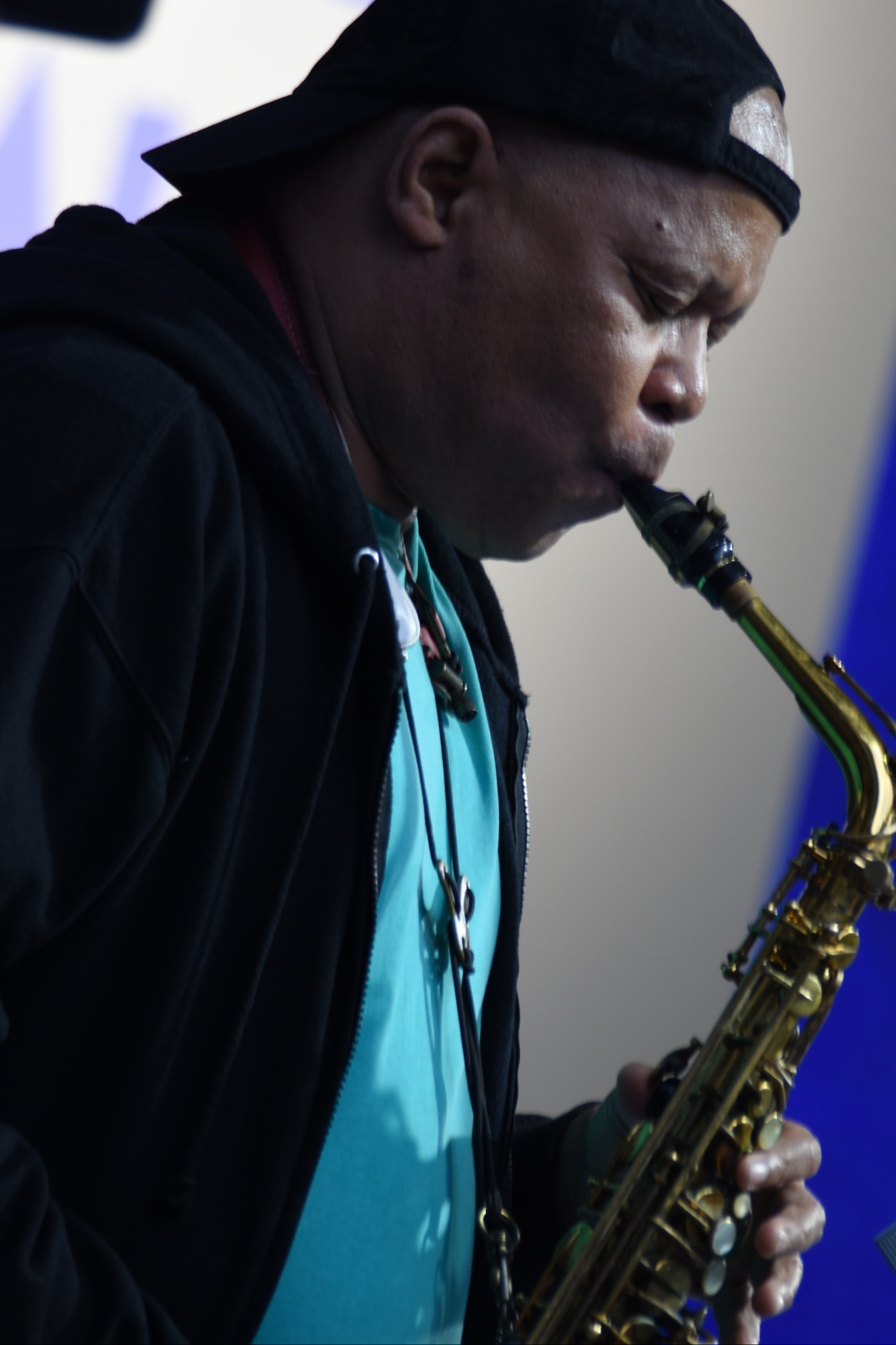
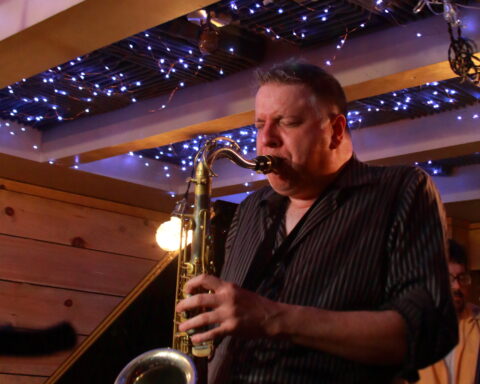
Steve Coleman, the alto saxophonist-composer much beloved and recognized both by the fest’s organizers and its audience, was an emblematic figure here, embodying the evolution of the jazz concept and styles. He’s performed in San Sebastian for several decades, so was the inevitable kick-off star at Trini stage presenting PolyTropos/Of Many Turns, his album of 2024, accompanied by trumpeter Jonathan Finlayson and the perpetual rhythm of bassist Rich Brown and drummer Sean Rickman.
Kurt Elling’s vocalizations and verses concerning the universal power of love and freedom, an eternal quest for the meaning and the sense of our existence, melted with the sound of the Yellowjackets over the melodic lines of Weather Report.The arrangements provided plenty of space for solos, and recalled, in traces, Zawinul through Russell Ferrante’s bravura
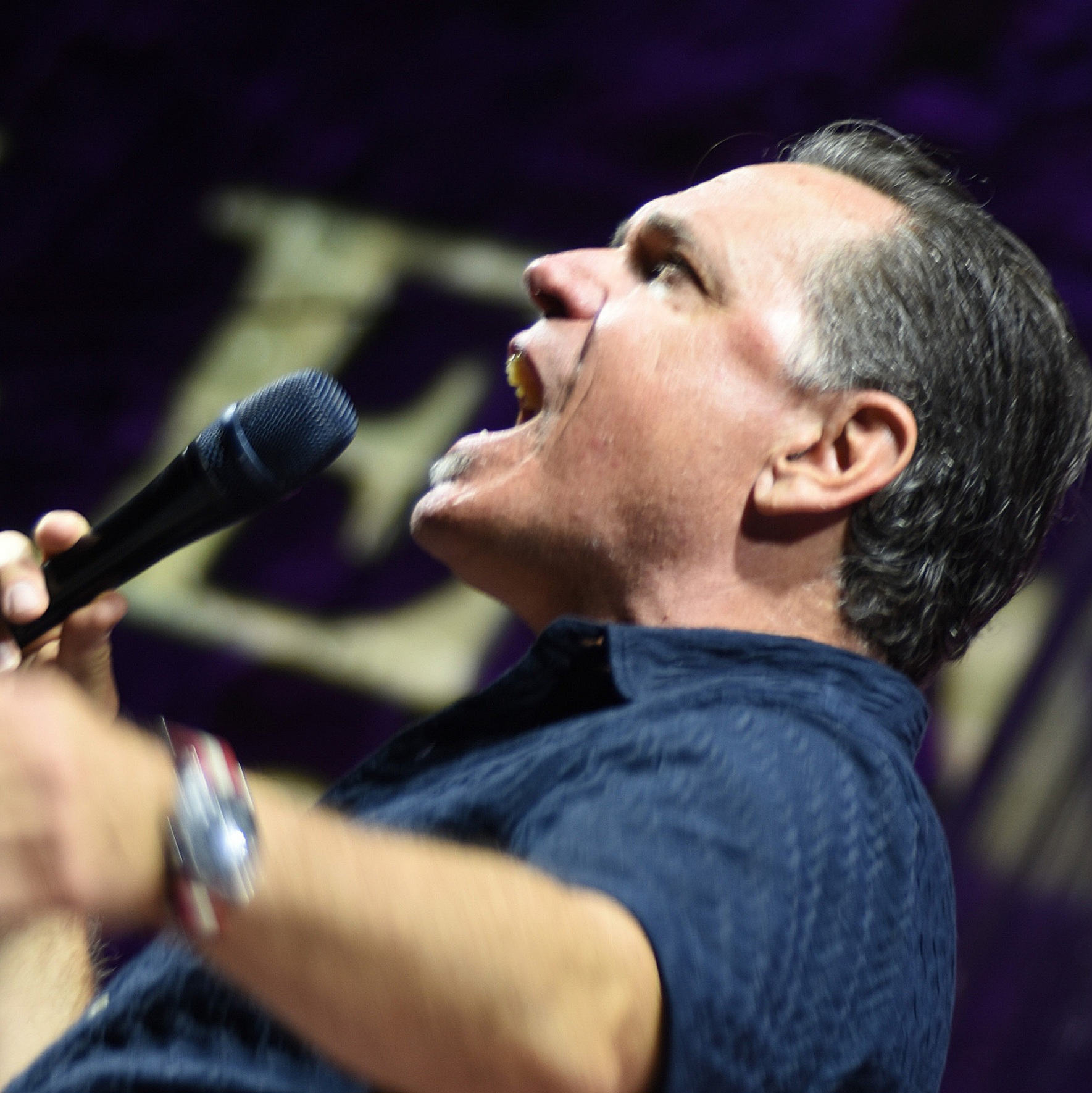
keyboards, Shorter’s phrasing via saxophonist Bob Mitzer and Pastorius’ bass lines as suggested by Dane Alderson. Their set was very enthusiastically accepted by the audience, especially Mintzer’s EWI turn and the fireworks between Elling and drummer William Kennedy.
“The Return of Max” — Roach, who has inspired so many — — was a visible identity of this fest edition. Dee Dee Bridgewater’s We Exsist! recalled his 1960 album We Insist!, and her rendition of Abbey Lincoln’s “Throw It Away” was another reference. Pianist Brad Mehldau’s composition “Waltz for J.B.”, which echoed over Trini, probably conversed with ”Drum Also Waltzes” from Roach’s Drums Unlimited of 1965.
Dee Dee Bridgewater, for her part, emphasized the importance of the mentorship, praised female activism, and made way for trio of young women musicians with a set list of “rebellions” by Nina Simone and Abbey Lincoln and Holiday — “Strange Fruit,” updated for the 21st century. Loudly and clearly sung, the song about lynching ended with tears, giving space to Shirazette Tinnin’s expressive drum solo, serving an an intro to Bob Dylan’s “You’ve got to serve somebody,” ending their program.
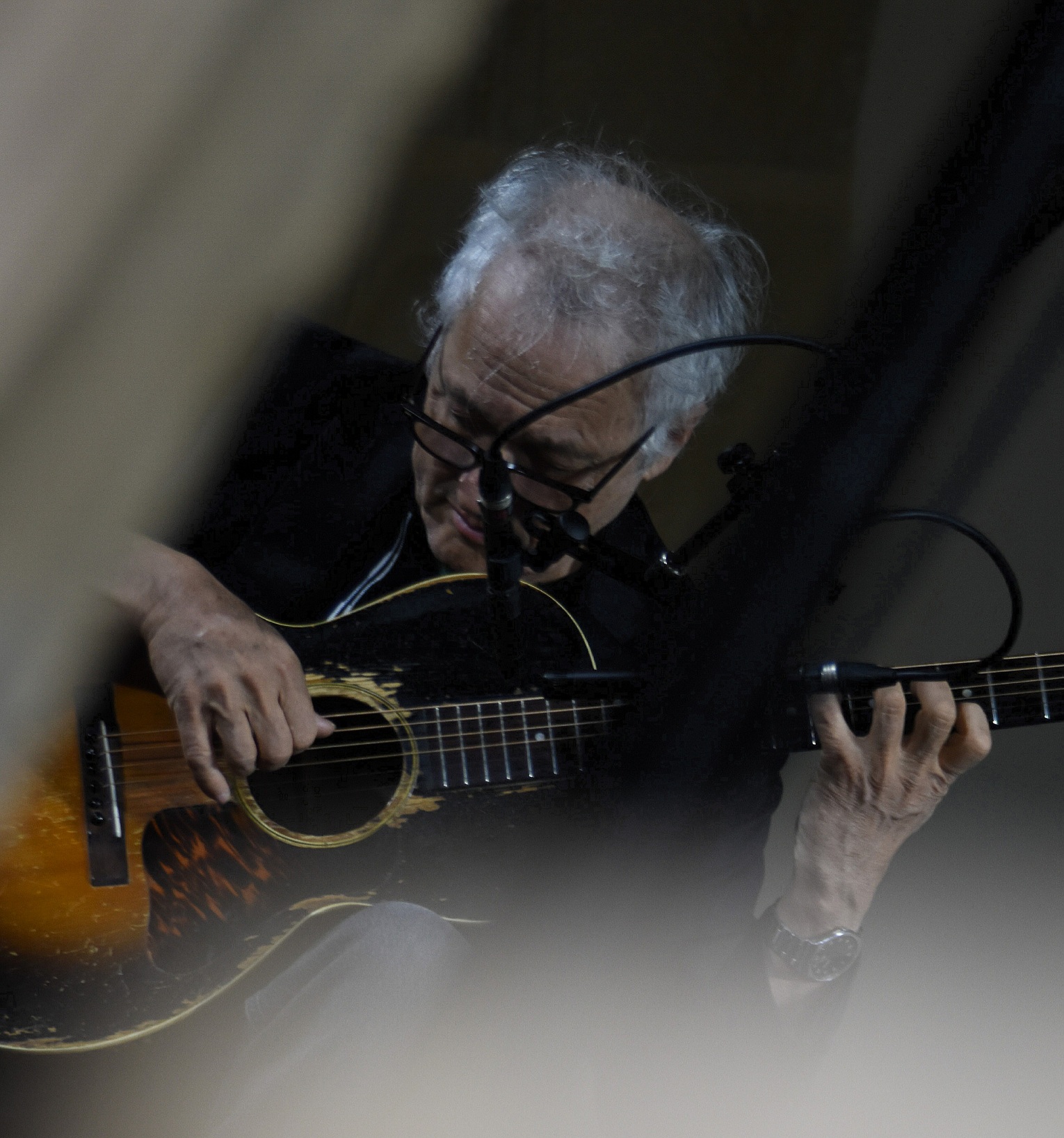
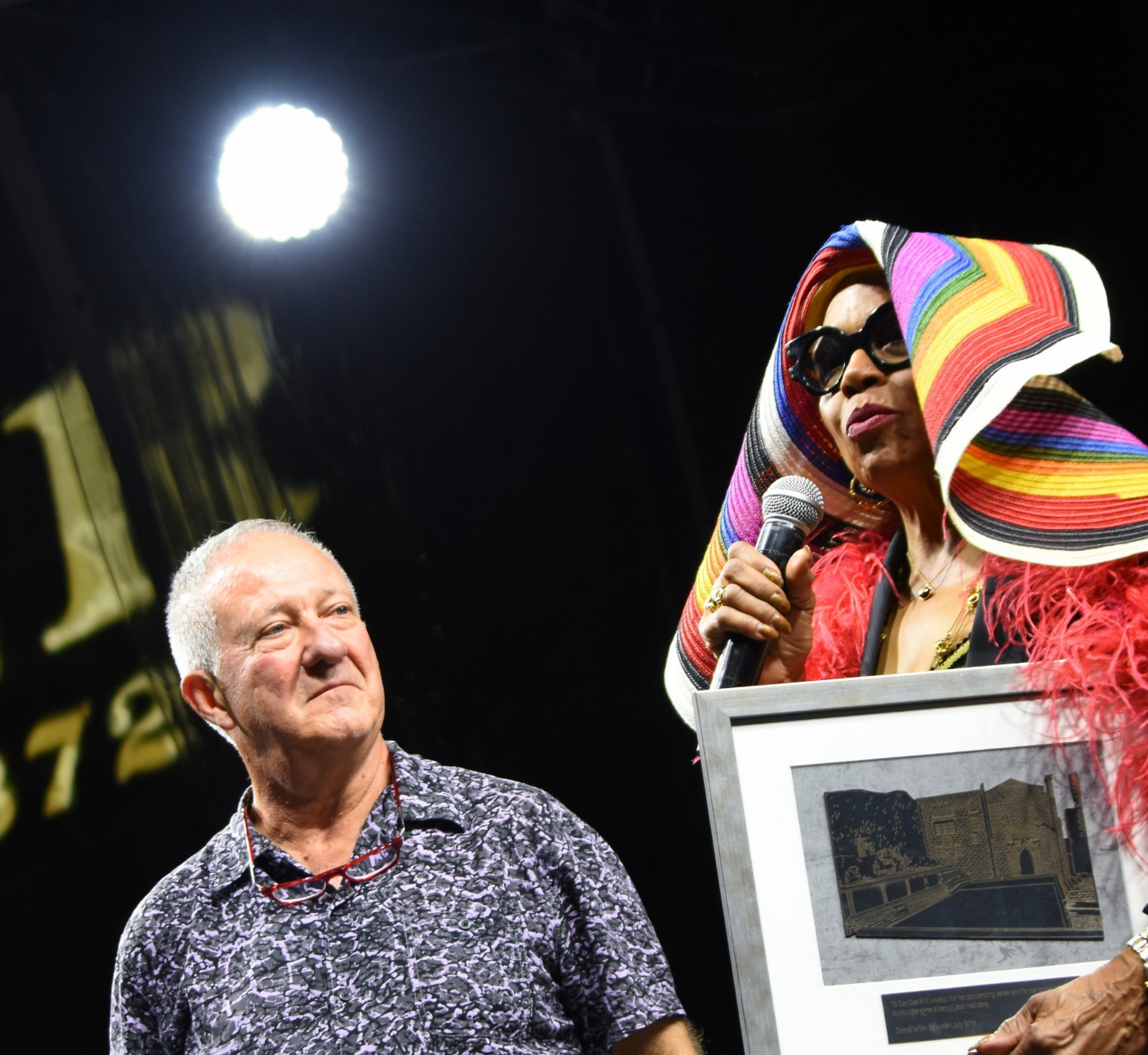
Bridgewater, Ribot and drummer Bill Bruford were honored with Donostiako Jazzaldia awards for their creativity, influence and excellence. The guitarist joked (I’ll paraphrase), that he did not know that he was a “jazz” musician but now he has it in writing. The fest audience, open hearted, welcomed each of his three performances.
Ceramic Dog, often thought of as a visionary project, has matured, gaining emotional heft as testimony of our current moment. Shahzad Ismaily’s steady bass solidly grounded Ribot’s interplay with drummer Ches Smith, who struck me as being akin to Max Roach in his prime, bracing and provocative.
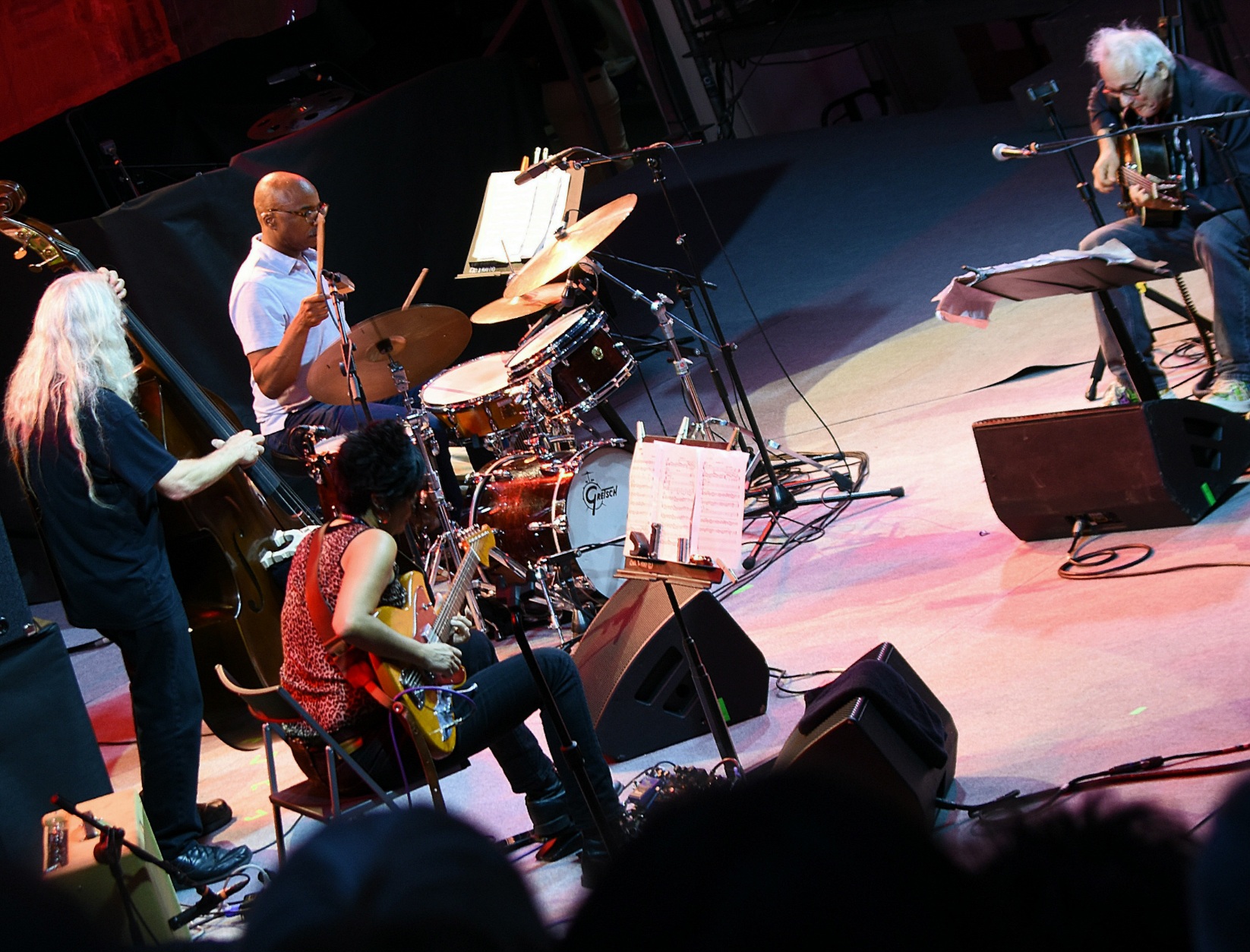
Ribot joined guitarist Ava Mendoza in Hurry Red Telephone, sustained by Sebastian Steinberg on double bass and drummer Chad Taylor. Their show turned out to be one of the highlights of the festival.
Pianists with personally recognizable sounds were spotlighted. Brad Mehldau took us into his musical universe with an assistance of Felix Mosesm double bass, and Jorge Rossy, drums. Stylishly playful Sullivan Fortner with drummer Jeff Hamilton and bassist John Clayton focused on the mastery of Oscar Peterson (whose centennial was observed — Hamilton recalled playing with him) as an arranger, interpreter and composer; his “Hymn to Freedom” was apt to the moment. Marko Mezkida, pianist with classical and distinctive jazz vocabulary, and Chicuelo, flamenco guitar virtuoso, merged delicately with percussionist Paco de Mode to cast their versions of traditional music across the exceptional soundscape captured on their Del alma album.
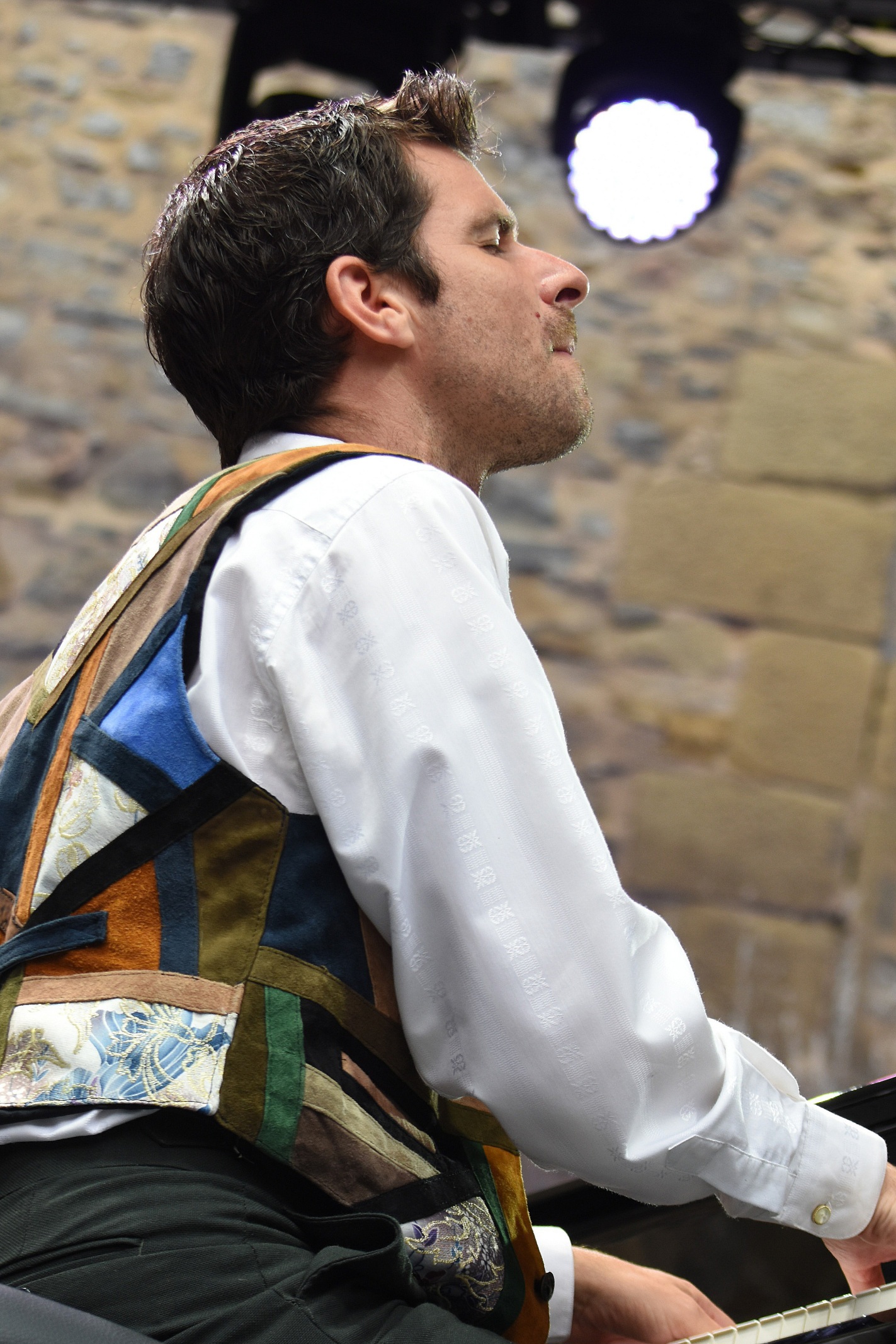
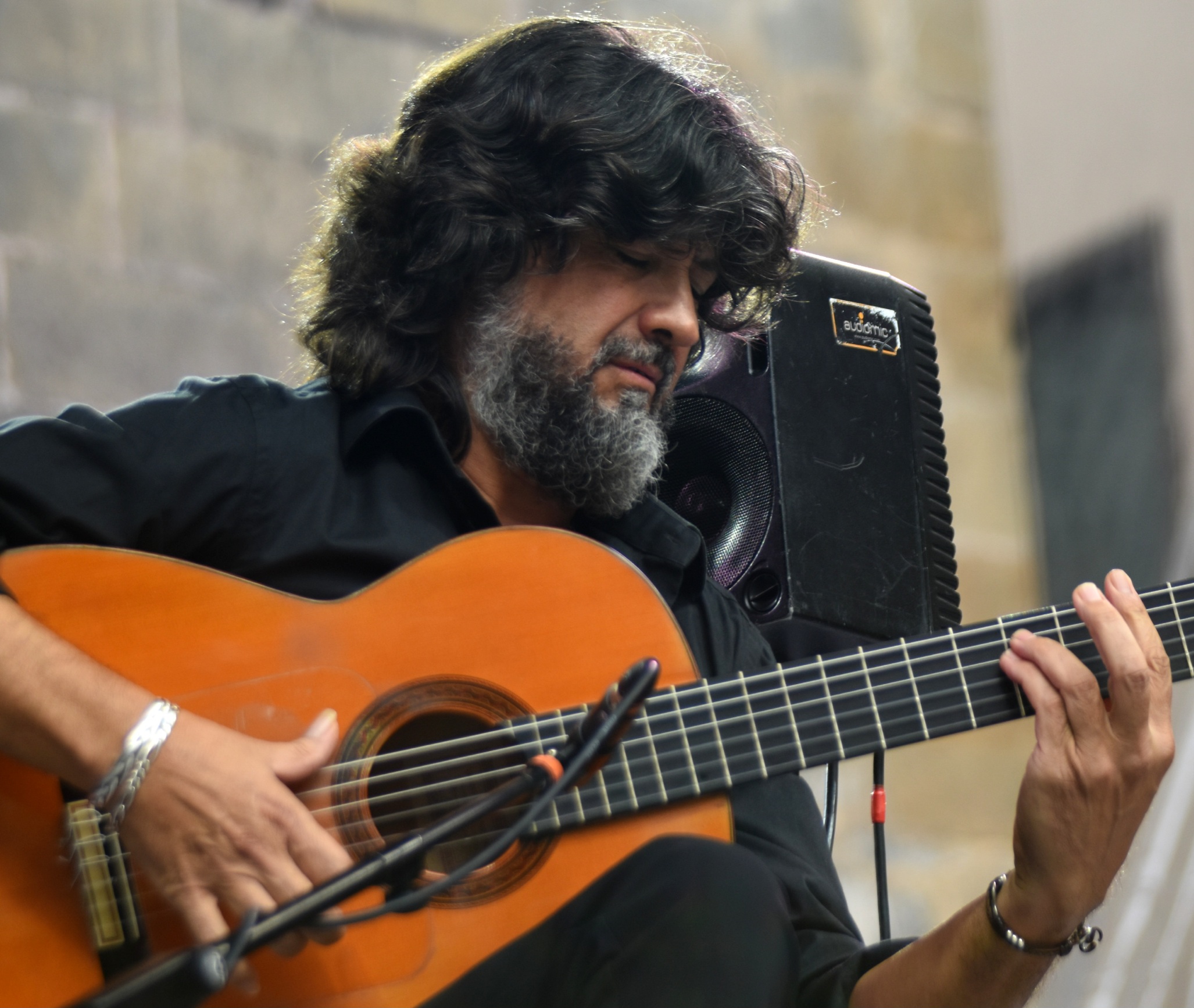
Pierre de Bethman, award-winning French pianist, elegantly played a medley of standards and his own originals, leading with his inspiration of the moment.
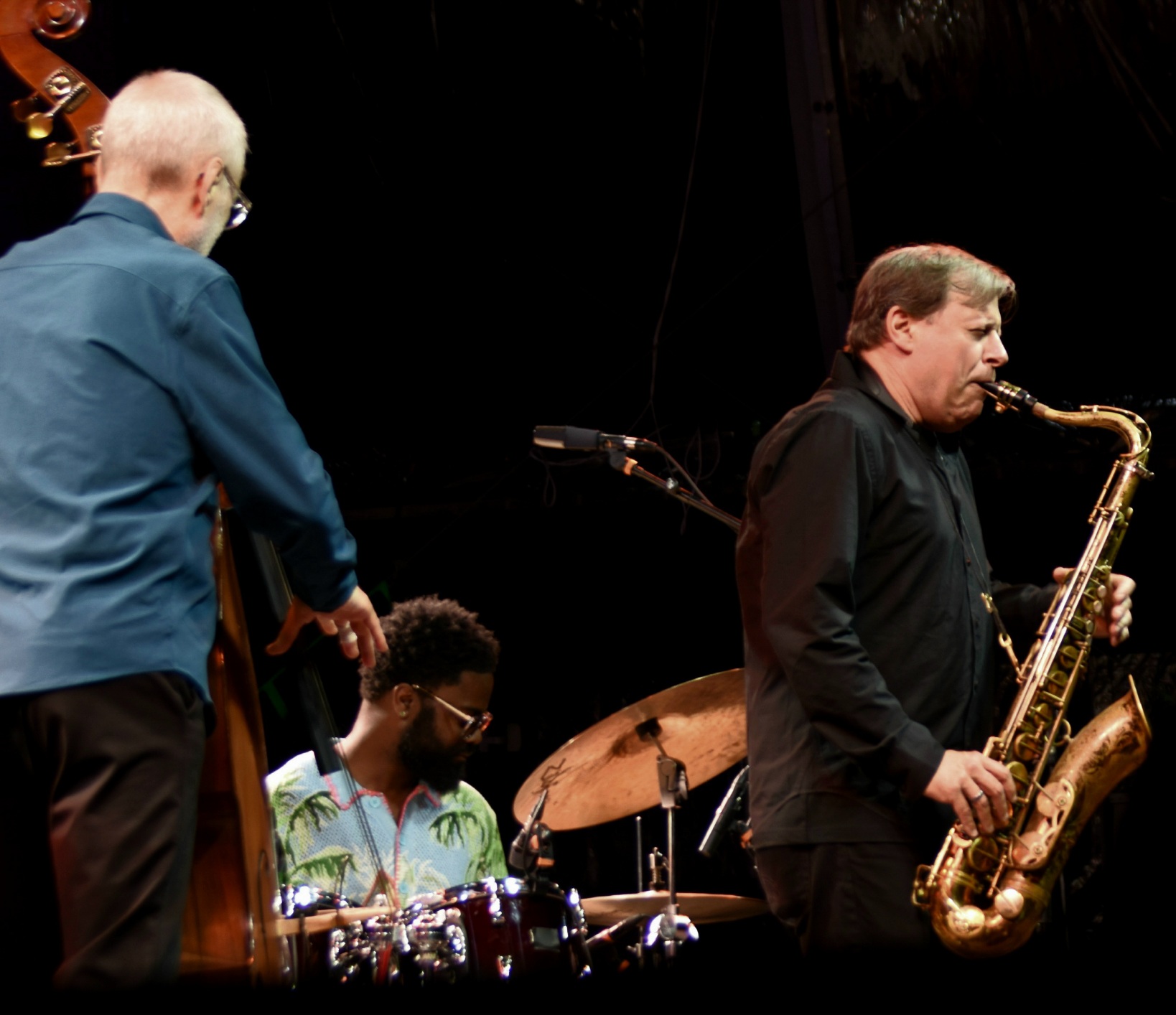
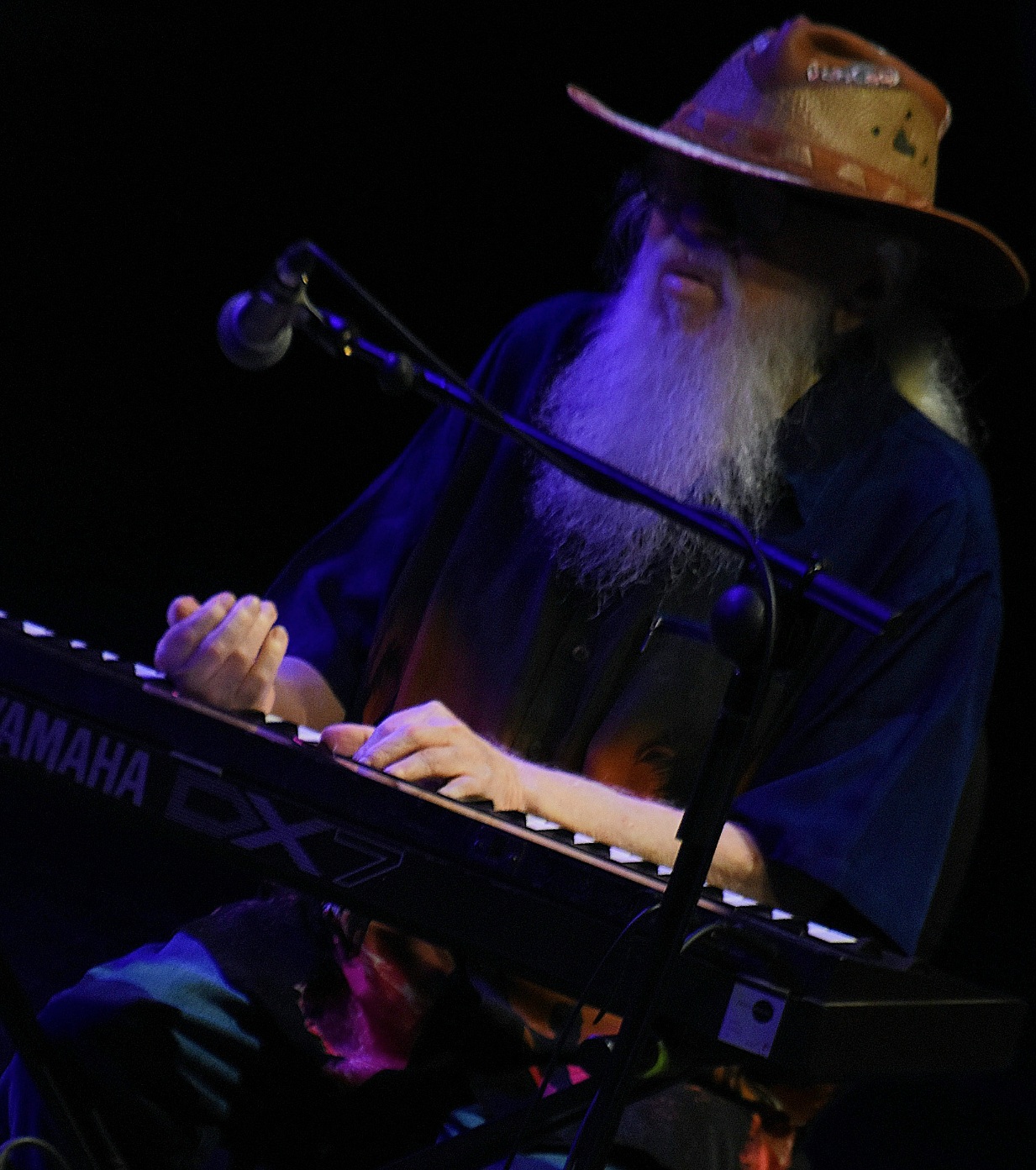
Kismet, the trio pf Chris Potter, Dave Holland and Marcus Gilmore was one of the concerts artistic director Martín said he was most proud of presenting. Hermeto Pascoal (age 89), Brazilian composer and multi-instrumentalist, was treated by his Grupo with a groovy journey through his opus, although we were looking forward to hearing him play more.
Yerai Cortes played guitar with breathtaking skill and mastery of tempo, to the spectacle of six women singing harmoniously under dimmed light, amid smoke.
An homage to Paco De Lucia was a capstone to this festival, gathering a dozen top musicians (including renown pianist Chano Dominguez), a dancer, and jazz saxophonist/vocalist of new flamenco style Antonio Lizana in two hours of interplay culminating in the entire house united in cries of “Ole!”
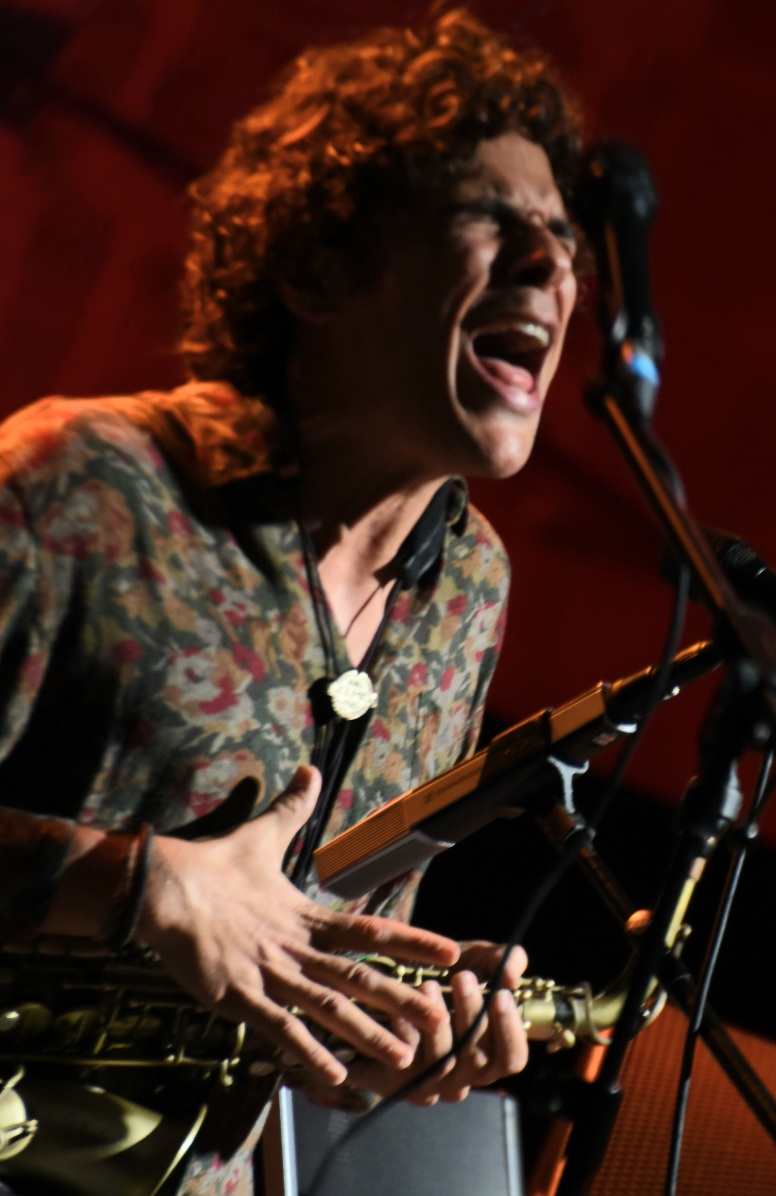
But then throughout the festival the audience had sung along, clapping the folkloric rhythm of flamenco to Elling’s songs, Pascoal’s compositions, even Fortner’s pianism, asserting flamenco to be a jazz root, proving Paco de Lucia right.
Photography and jazz, as arts of the moment, go hand-in-hand. The ”Jazzaldia: Visual Journey” exhibition at the San Telmo Museum demonstrated the not only immediate significance of Jazzaldia with more than 200 predominantly black and white portraits of musicians from 1966 to 2024, by official festival photographer exhibit curator Lolo Vasco, Pepe Mateo and a dozen others.
Jazzaldia holds the title of the oldest jazz festival in Spain, and is among the longest lasting in Europe, too. Its audience is devoted, and its region attracts tourists to its beaches, cuinsine and unique Basque culture as well as to the Guggenheim Museum in Bilbao, the Pamplona (Navarra) bull chase, this jazz fest and the Vitoria Jazz Festival, also produced in July. Change may be in the air, with less certain times ahead. But change is by nature exciting, with its potential for something new.