The Jazz Journalists Association launches its 2026 Jazz Awards season with the announcement of seven Nominees and seven Honorable Mentions in two categories of Book of the Year (2025) Awards.
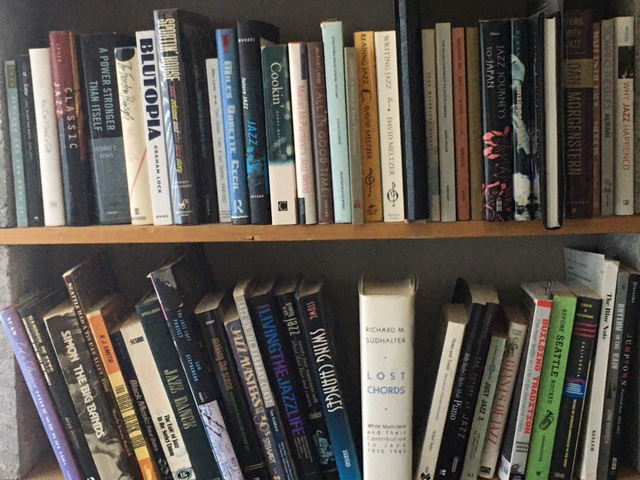
Biographies of trumpeters Louis Armstrong, Kenny Wheeler and Cootie Williams, saxophonist Don Byas, Beat poet Ted Joans and drummer Gene Krupa; two volumes on jazz in Japan; drummer-composer Billy Hart’s autobiography; Ben Ratliff’s musings on music and running; Matthew Shipp’s writings about pianism et al; Hank O’Neal’s memoir; conversations with critics, and an examination of the Berkshires’ Jazz Barn stand for honors.
As in prior years, nominees have been selected in advance by the seven-member JJA book committee, which meets monthly to evaluate books bearing copyrights of the year in question. We announce our nominees in advance of other poll details to afford JJA voters time to read the designated volumes. As in other poll categories, winners will be determined by voting of the JJA’s more than 250 professional members. JJA Awards winners will be announced in early April.
“Once again, we considered over three dozen titles,” says Bob Blumenthal, JJA Board member and Chair of the committee. “It was a good year for trumpeters and drummers, as the list of nominees will confirm; our Honorable Mentions reflect growing interest in the jazz scene on the other side of the Pacific Ocean and musician/authors are represented in both categories. Overall, the range of historical and contemporary issues covered, like the music itself, is boundless.”
Biography/Autobiography Nominees
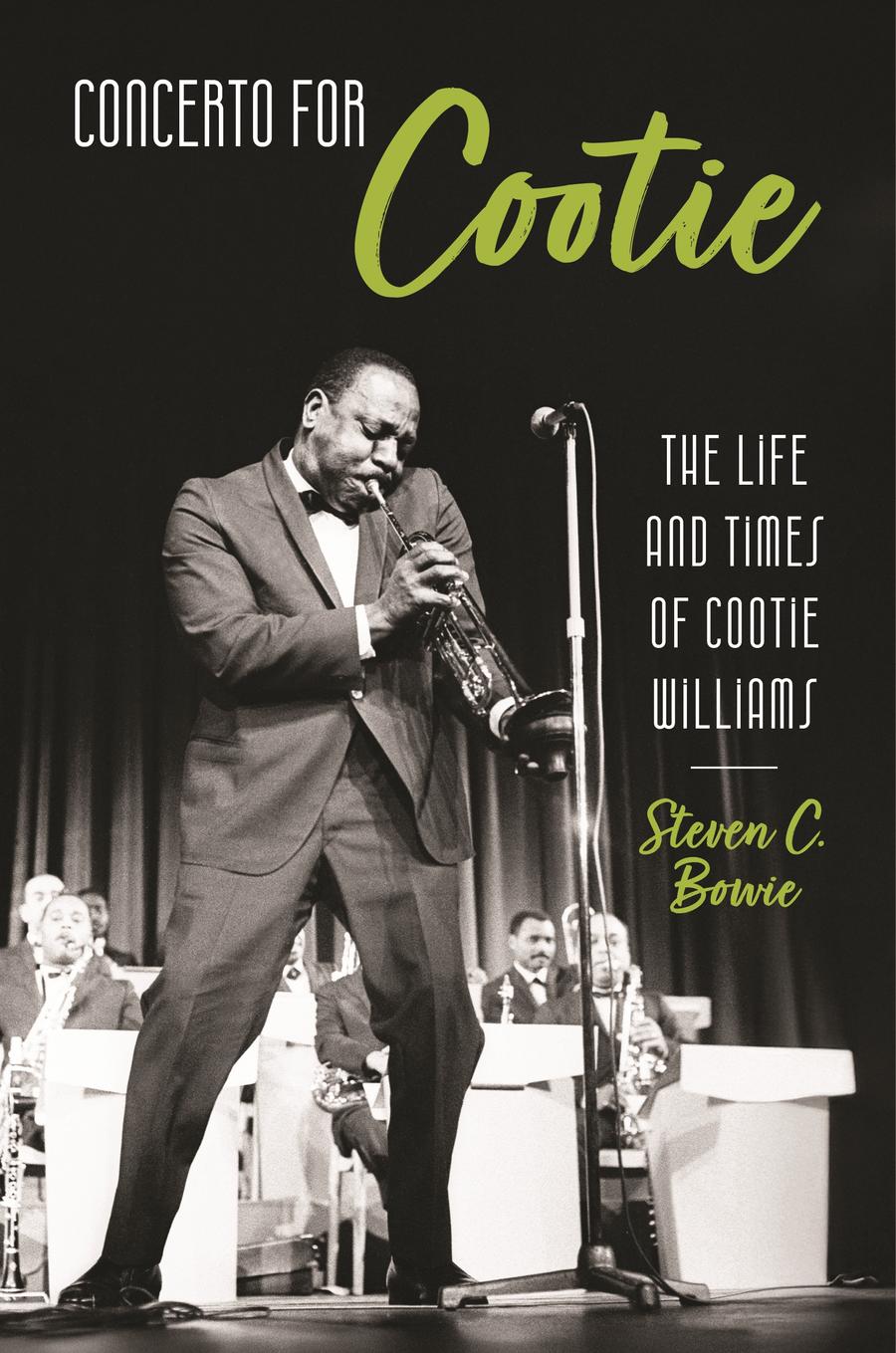
Steven C. Bowie, Concerto for Cootie: The Life and Times of Cootie Williams (University Press of Mississippi)
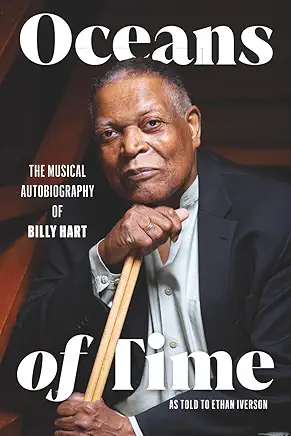
Billy Hart, as told to Ethan Iverson, Oceans of Time: The Musical Autobiography of Billy Hart (Cymbal Press)
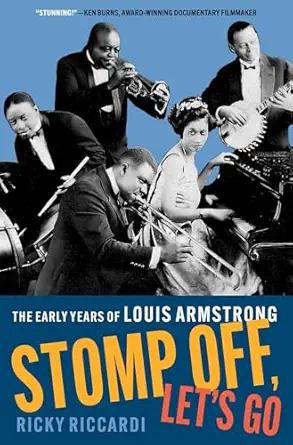
Ricky Riccardi, Stomp Off, Let’s Go: The Early Years of Louis Armstrong (Oxford University Press)
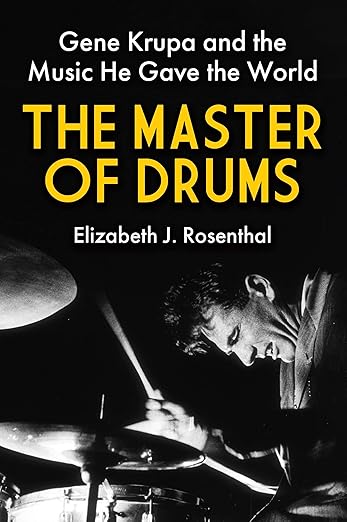
Elizabeth J. Rosenthal, The Master of Drums: Gene Krupa and the Music He Gave the World (Citadel Press)
History/Criticism/Culture Nominees
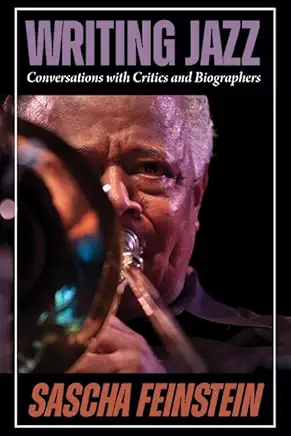
Sascha Feinstein, Writing Jazz: Conversations with Critics and Biographers (State University of New York Press)
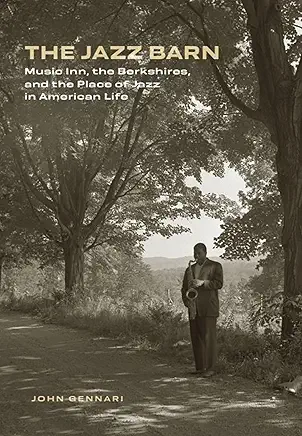
John Gennari, The Jazz Barn: Music Inn, The Berkshires, and the Place of Jazz in American Life (Brandeis University Press)
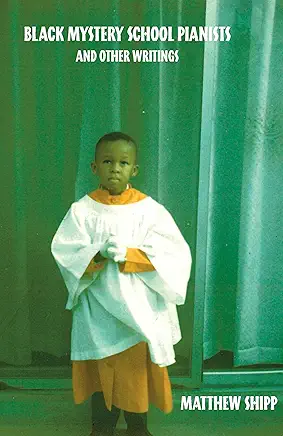
Matthew Shipp, Black Mystery School Pianists and Other Writings (Autonomedia)
Honorable Mentions
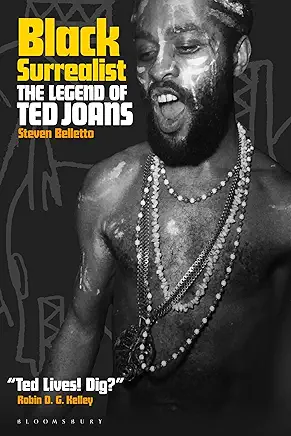
Black Surrealist: The Legend of Ted Joans (Bloomsbury Academic), by Steven Belletto. Peripatetic, effervescent and elusive Beat poet Ted Joans, the creator of the “Bird Lives” graffito, finally receives a thoroughly researched scholarly analysis. — Leslie Lynnton-Fuller
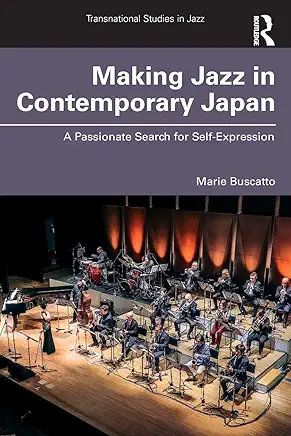
Making Jazz in Contemporary Japan: A Passionate Search for Self-Expression (Routledge), by Marie Buscatto. A short consideration of why jazz is so revered in Japan, its cultural connections and the strong representation of contemporary female jazz artists. — Brad Stone
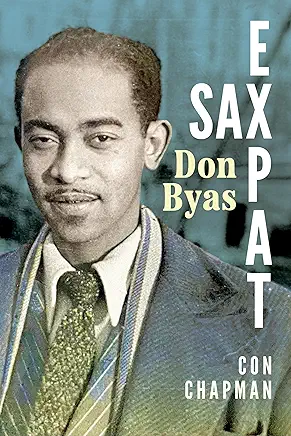
Jazz Expat: Don Byas (Univ. Press of Mississippi), by Con Chapman. A thoughtful portrait of a nearly forgotten figure in jazz who self-exiled to the greener jazz pastures of Europe. Chapman’s overdue remembrance situates Byas as a key figure in the evolution of the tenor saxophone from Coleman Hawkins to John Coltrane. — Todd S. Jenkins
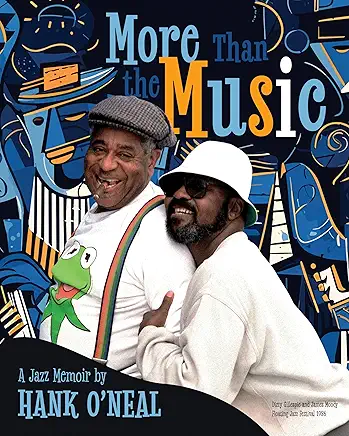
More Than The Music: A Jazz Memoir (TCU Press), by Hank O’Neal. Record producer, photographer and jazz cruise pioneer O’Neal has created a personal scrapbook of his decades of fascination with and support of the music and its masters. His wide-ranging tastes and personal involvement with so many legendary figures create a unique and valuable history. — Bob Blumenthal
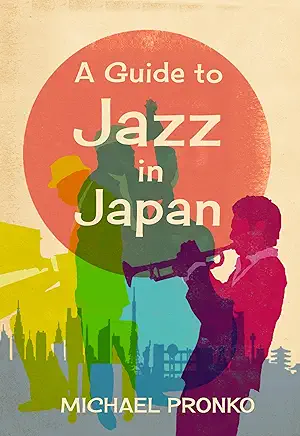
A Guide to Jazz In Japan (Raked Gravel Press), by Michael Pronko. Pronko shares over 30 years of immersing himself in the Japanese jazz scene. From unknown backstreet coffee shops to thriving jam sessions, he offers a practical guide to travel, jazz styles, local musicians and even where to get a good Japanese whiskey. — Fiona Ross
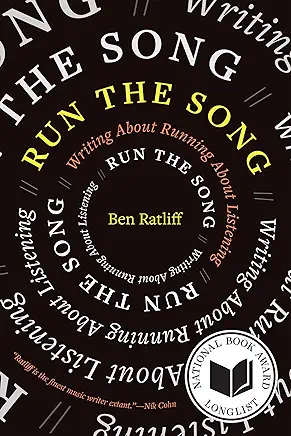
Run The Song: Writing About Running About Listening (Greywolf Press), by Ben Ratliff. Former New York Times jazz critic Ratliff evocatively explores running while listening to music, and how running affects his perceptions in musical analysis. A multidisciplinary treatise that encompasses criticism, autobiography and memoir, the author’s enlightened insights remind us that music, and one’s love of music, never stands still. — Eugene Holley, Jr.
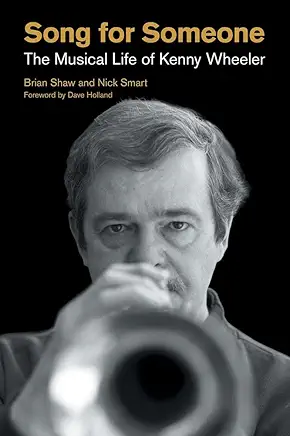
Song for Someone: The Musical Life of Kenny Wheeler (Equinox Publishing), by Brian Shaw and Nick Smart. This huge, meticulously researched volume unveils the quiet life of one of modern music’s most versatile, compelling trumpeters. The authors honor an artist who consistently rose to the occasion with his deeply personal approach to the horn. — Todd S. Jenkins
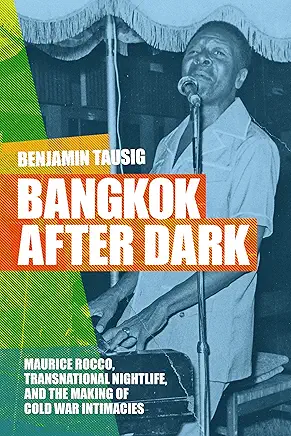
Bangkok After Dark: Maurice Rocco, Transnational Nightlife and the Making of Cold War Intimacies (Duke University Press), by Benjamin Tausig. Pianist Rocco’s Soundies propelled him to stardom in the 1940s, but the decline in boogie woogie’s popularity led him to relocate, to Bangkok. Tausig examines Rocco’s successful “second act” in relation to Thailand’s complex and thriving cosmopolitan nightlife culture, and the violence that led to his murder in 1976. — Katherine Cartwright