When we speak of living a life of jazz, many names may rise to the surface. But for those of us who know her intimately, one name holds a special place — vocalist, NEA Jazz Master, JJA Lifetime Achievement in Jazz honoree and eternal “jazz child” Sheila Jordan. As of this writing, Sheila (age 96) is in home hospice being lovingly cared for by her daughter, Tracey, who has started a fundraising effort to finance the costs of her care and comfort. To contribute, click here. (Ed’s note: Sheila died peacefully August 11.)
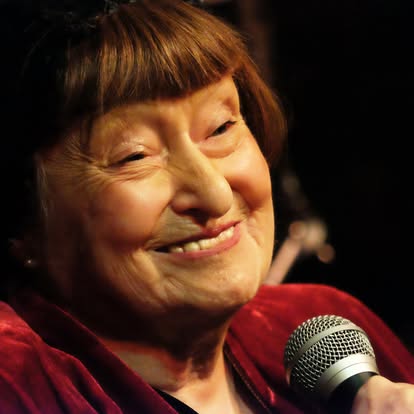
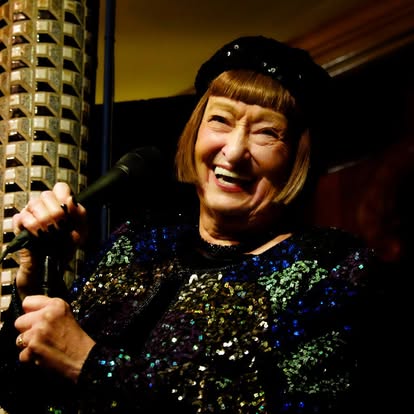
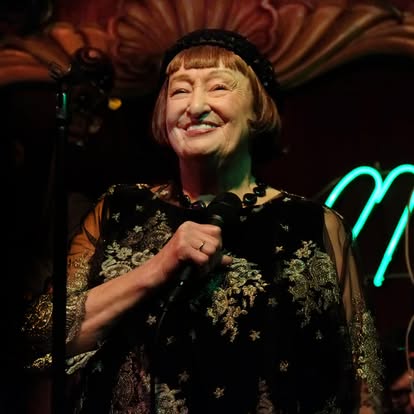
As the author of Jazz Child: A Portrait of Sheila Jordan, I had the rare privilege of walking beside Sheila over many years — listening, learning and bearing witness to the extraordinary life she’s lived. That journey created a bond far deeper than I could have ever imagined.
Sheila’s story is not just one of music, but of spirit. Her devotion to jazz has been lifelong, ferocious and tender all at once. She was a disciple of the revolutionary alto saxophonist Charlie Parker, or “The Bird” as she always reverently called him. Sheila lived and breathed bebop, absorbing its complexities not just as a musical style but as a way of being. It was The Bird himself who called her “the woman with the million-dollar ears,” and indeed, her ears were golden: trained, tuned and forever open.
Living the jazz life wasn’t just important to Sheila, it was survival. The music held her, healed her and gave her a place to be fully herself. She often joked that she married Parker’s pianist Duke Jordan just to be closer to her idol (though troubled and failed, the marriage produced Tracey, who Sheila raised as a single mother by holding an office job). As a student of pianist-theorist Lennie Tristano, she understood the sacredness of listening and it was Charles Mingus who encouraged her to sing solo with the bass. Her distinctive approach caught the attention of composer George Russell, who championed her as the first jazz vocalist to record for Blue Note Records.
To hear Sheila sing was to experience not just a voice, but a soul fully present. Immersed in the lofts and clubs of 1950s New York, living the jazz life she so deeply loved, she absorbed its language firsthand and reimagined its standards through her own lens of vulnerability, humor and fierce authenticity.
I recall one night in a small Los Angeles jazz club, sitting just feet away as Sheila stood under dim lights, eyes closed, cradling the microphone like it held a piece of her essence. She sang “You Are My Sunshine” so slowly, so tenderly, it felt as though she was singing only for herself. The room went utterly still. It felt like church. Then, with that familiar twinkle in her eye, she launched into “The Bird,” her life story set to song, rich with memory and that singular Sheila humor that could break your heart and heal it in the same breath.
Being a woman and a vocalist in a world dominated by male instrumentalists never deterred her. Sheila walked into rooms where she wasn’t expected to belong and stayed long enough to make sure she’d never be forgotten. She didn’t ask for a place at the table; she created her own space, often as a pioneer of the bass-and-voice duet, which would become her signature format.
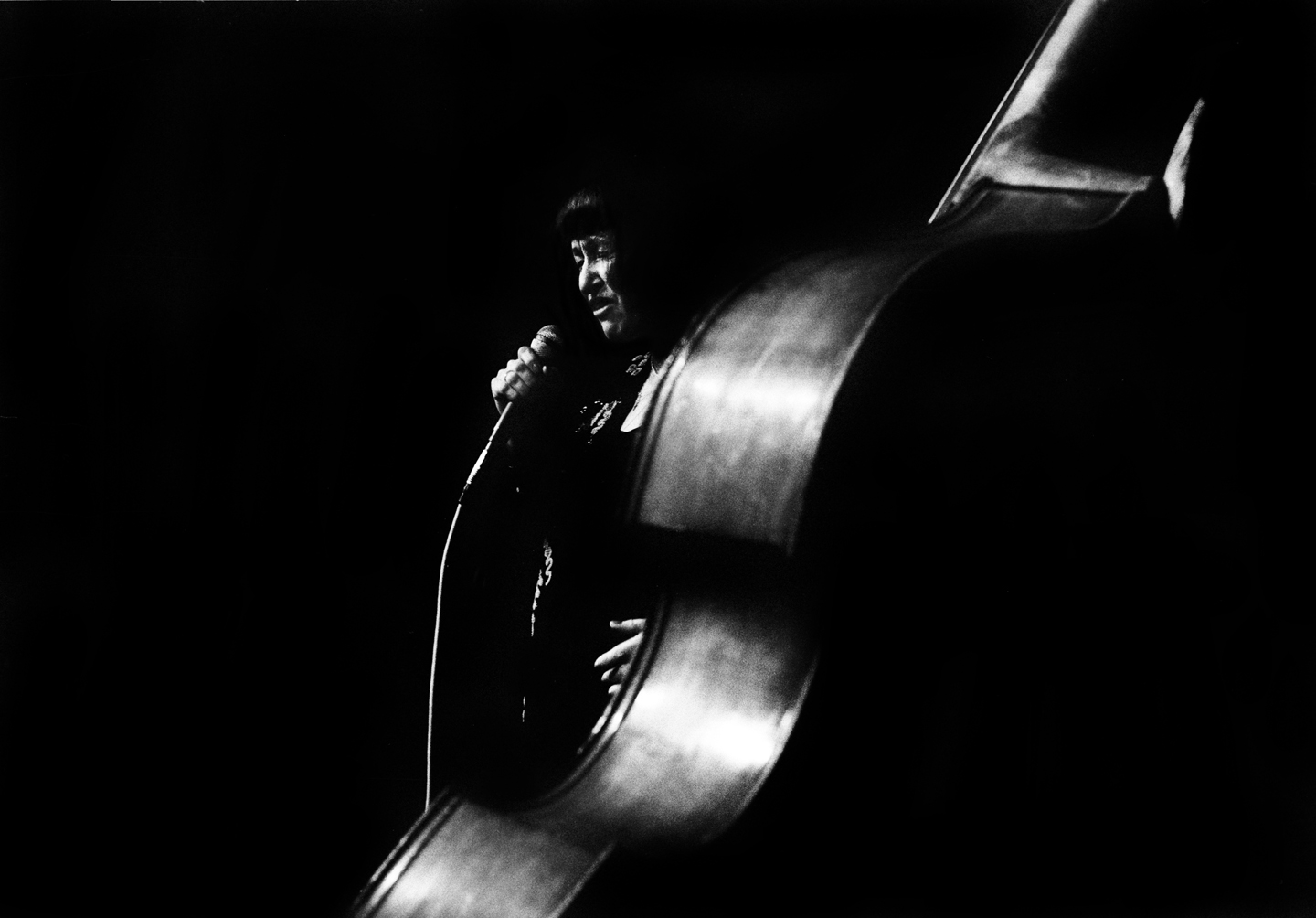
Her art form was raw, stripped down to essence and stunning in its intimacy. A direct descendant of Queen Allaquippa of the Seneca, Sheila’s Native American heritage rooted her in storytelling, community, and a deep reverence for nature (“[She was] a strong woman, so I think I take after her,” Sheila has remarked). She’s lived the jazz life without complaint, no matter how long the road or how humble the venue. She could hold her own with any of the “cats,” not chasing fame but always chasing the truth in the music.
On one of our tours together, I recall her dedicating the song “Bird Alone” by Abbey Lincoln to Charlie Parker. As the song began, a sparrow flew into the venue and perched silently on the rafters above us as she sang. As she finished the last note, the bird flew away. When I told Sheila what had happened, she smiled and said, “Oh yeah, that was The Bird coming to hear me sing.” Mystical and magical things always happened in her presence. I witnessed this in every performance: No matter how exhausted she might have been, or how aware we were of her advancing years, every heart was left open, stirred by something deeper than words.
When Sheila sings a ballad, such as “Autumn in New York” on her album Little Song, time seems to stop. She’s had the rare ability to dig into the deepest part of her own pain or joy and offer it up without reservation. Her voice carries the weight of lived jazz experience, and through that honesty she transformes us. I would often notice a room growing utterly still with people holding their breath, suspended in her sound. She could maintain that moment, stretch it like a thread of light and draw us into a kind of trance. It wasn’t just performance; it was communion. She opened hearts simply by opening her own.
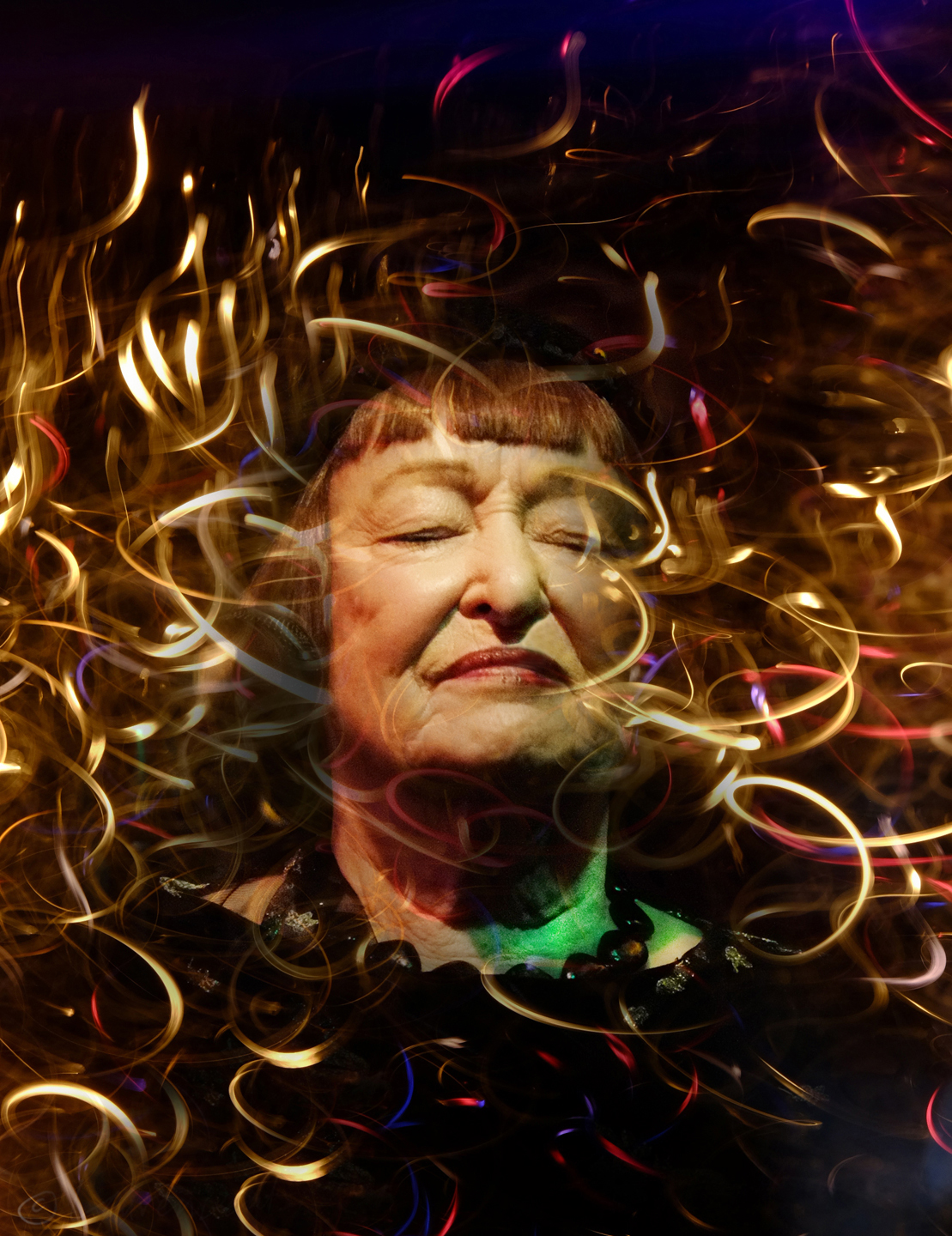
Sheila stood fearlessly for justice, never turning away from the fight against racism, even when it put her at risk. She knew firsthand the consequences of defying prejudice, having raised a bi-racial daughter in a time when doing so brought real social cost. Her courage ran deep. In Jazz Child, she recounts being beaten up on a New York street and threatened by white men often when she was with Black musicians. Whether it was refusing to play segregated clubs or confronting racist remarks, Sheila made it clear that her place was alongside her fellow musicians regardless of the cost. She faced her struggles with addiction openly and honestly, and through her recovery gave voice to resilience and hope. Every note she’s sung has been drawn from the truth of her life, shared without hesitation as if to say, “This is what it means to survive with love still intact.“
Her generosity reached far beyond performance. Sheila was first invited to teach a workshop at City College of New York, never expecting it would spark a lifelong path in jazz education. She often collaborated with close friends and fellow vocalists like Mark Murphy and Jay Clayton, creating dynamic classes and sessions where the jazz tradition was both preserved and reimagined. Her mentorship touched generations of singers and musicians, leaving them with a clearer sense of themselves and a deeper understanding of what it means to truly live and love jazz.
In every performance or workshop, she reminded us of our responsibility: “We have to keep the message of jazz alive.” And so, we shall.
As Sheila prepares to leave this earthly bandstand, we honor her with our deepest gratitude. Her legacy isn’t confined to her recordings or awards; it lives in the hearts of those she touched, the voices she nurtured, the courage she inspired. To me and her many devotees, her story lives on in every fearless improvisation, every tender ballad and every musician bold enough to tell their own truth through the music. As her own voice falls silent, the jazz life she has lived with such devotion continues to sing through all of us.
JJA member Ellen Johnson is the author of Jazz Child: A Portrait of Sheila Jordan (Rowman and Littfield, 2016). All photos by Lauren Deutsch; video by Michal Shapiro.